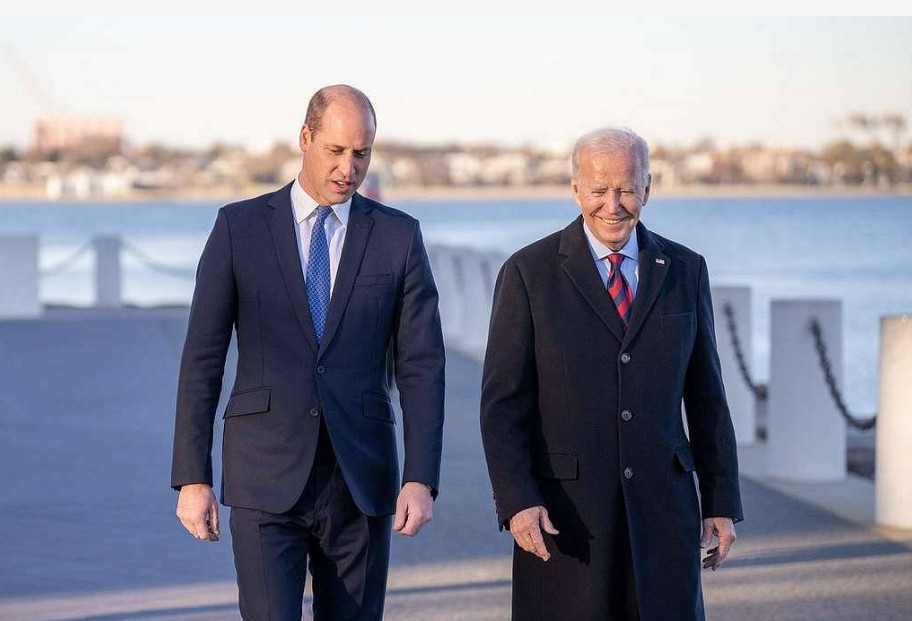

It is always a strange moment when reality collides with the carefully curated image people have been sold for decades. The British Royal Family has long been packaged as a symbol of tradition, stability, and national identity. But every so often, you get a reminder that they are not guardians of anything particularly fixed, they are public figures navigating political and cultural pressure like everyone else. And when that pressure leans heavily in one direction, you start to see statements that leave a lot of people scratching their heads.
Take Prince William’s remarks praising Islam as a “religion of peace.” On the surface, it sounds like standard diplomatic language, the kind of thing modern leaders are almost required to say in the aftermath of tragedy. His comments referenced the Christchurch mosque shootings and emphasized unity, family, and the need to stand against extremism in all forms. No reasonable person is going to argue against condemning violence or supporting grieving families. That part is straightforward.
Prince William says Islam is the religion of peace
The Royal Family has completely lost all sense of defending Christianity and the British people
Is it time for a shake up of this institution? pic.twitter.com/wFx29V2ftF
— Basil the Great (@BasilTheGreat) April 5, 2026
What raises eyebrows is the broader context. Britain is not the same country it was even a generation ago. Immigration has transformed entire cities, cultural tensions have increased, and concerns about integration are no longer whispered, they are openly debated. Against that backdrop, hearing a senior royal figure lean into language that many see as politically sanitized feels disconnected from the lived reality of a lot of British citizens.
Prince William’s speech highlighted Muslim communities coming together, supporting one another, and demonstrating compassion. That is undeniably true in many cases. Communities rally after tragedy, that is human nature, not unique to any one religion. But critics argue that focusing exclusively on positive messaging, while ignoring legitimate concerns about extremism, social cohesion, and national identity, creates an incomplete picture.
To be fair, William did acknowledge extremism across the board. He referenced attacks in places like New York, London, and Christchurch, making it clear that violence driven by hatred exists in multiple forms. That is factually correct. Extremism is not confined to one ideology, and pretending otherwise does not help anyone. But there is a difference between acknowledging a problem and fully addressing its roots, and that is where many feel public figures fall short.
The deeper issue here is not just about one speech. It is about trust. When leaders, including symbolic ones like the Royal Family, appear to echo global talking points rather than speak candidly about complex national challenges, people notice. They start to question whether those in positions of influence truly understand, or are willing to admit, what is happening on the ground.
Britain is facing serious questions about its future, its identity, and its social fabric. Speeches filled with polished language and universal themes may sound good, but they do little to address the harder conversations that are becoming impossible to avoid.
Leave a Comment