
Spain suddenly found itself in the middle of a diplomatic showdown with the United States this week after President Trump publicly blasted the country for refusing to allow American forces to use military bases on Spanish soil during air strikes on Iran. Within hours of that criticism, the situation turned into a confusing back and forth between Washington and Madrid about whether Spain had backed down.
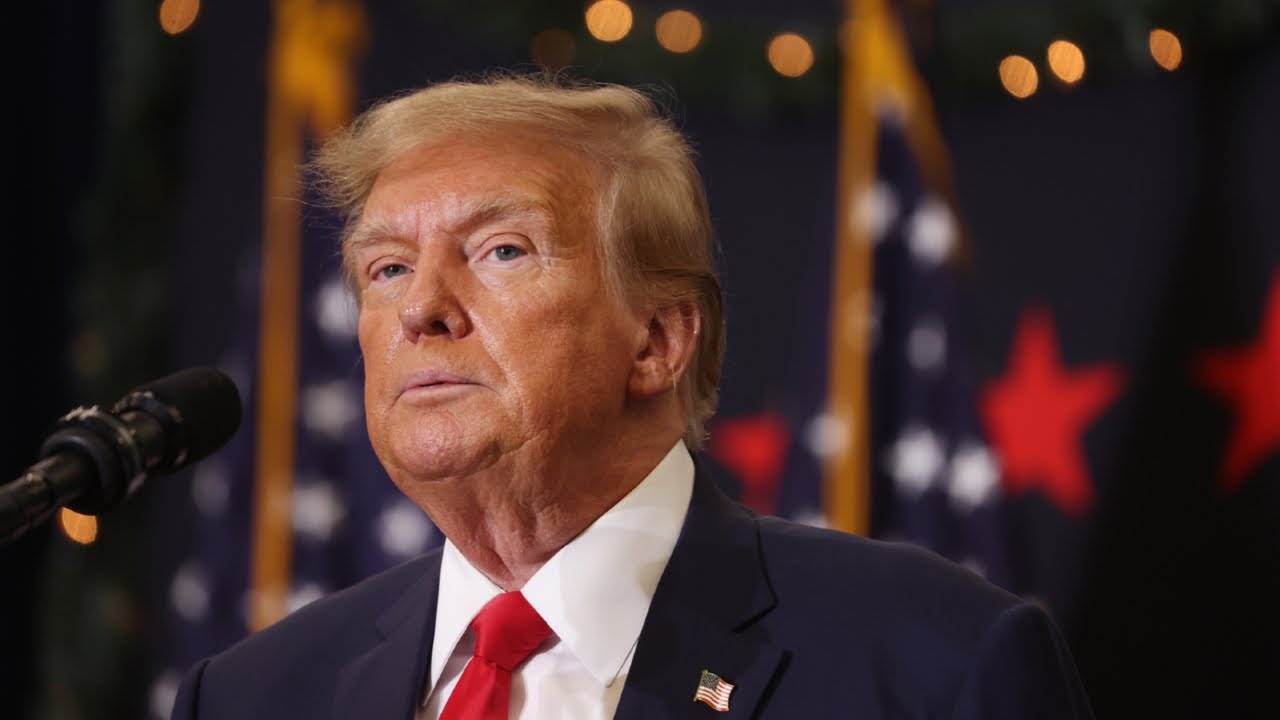
The drama started during a meeting at the White House between President Trump and German Chancellor Friedrich Merz. While discussing the ongoing military campaign against Iran, Trump did not hide his frustration with Spain’s position.
“Spain has been terrible,” President Trump said during the meeting. He also revealed that he had instructed Treasury Secretary Scott Bessent to consider cutting off trade dealings with Spain after the country refused to allow U.S. forces to operate from bases located in southern Spain.
That kind of threat gets attention quickly in international politics.
Less than 24 hours later, White House Press Secretary Karoline Leavitt told reporters that Spain had reached out to Washington and was now cooperating with the U.S. military.
According to Leavitt, Madrid heard Trump’s message “loud and clear” and had agreed to coordinate with American forces. Her comments suggested the administration’s pressure had worked and that Spain had reversed its earlier stance.
NEW: White House Press Secretary Karoline Leavitt announces that Spain has “agreed to cooperate” with the U.S. military after President Trump said Madrid had indicated Washington could not use certain Spanish bases in support of Operation Epic Fury.
"With respect to Spain, I… pic.twitter.com/a7T6l13d0X
— Fox News (@FoxNews) March 4, 2026
Then things got messy.
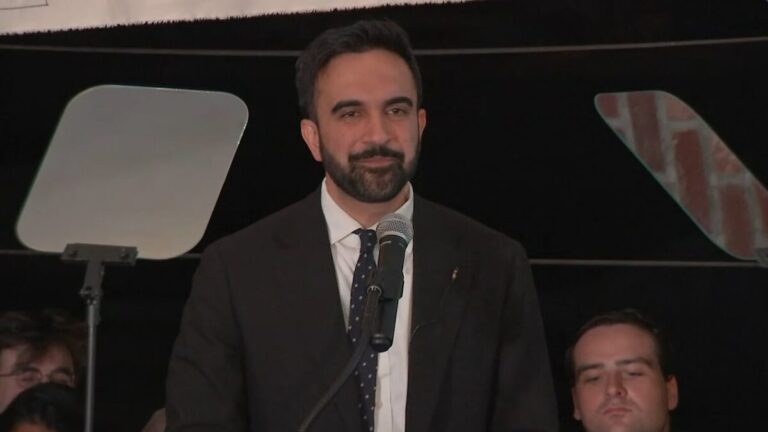
Spain’s prime minister, Pedro Sánchez, quickly pushed back and publicly denied the claim that his government had changed course. Sánchez, a socialist leader who has often criticized American and Israeli military actions in the Middle East, delivered a speech making it clear his government was not backing down.
He warned that the expanding conflict in the region was like playing “Russian roulette with the destiny of millions.” Sánchez also repeated his government’s position in three simple words, “No to war.”
In remarks that appeared aimed directly at the White House, he added that Spain would “not be complicit in something that is bad for the world, and that is also contrary to our values and interests, simply out of fear of reprisals from someone.”
That statement left observers wondering which version of events is accurate.
On one side, the White House says Spain has already begun cooperating with U.S. military efforts after the president’s threat to sever trade ties. On the other, Spain’s leader insists his country is standing firm and refusing to participate in the strikes.
Situations like this are not unusual during tense international conflicts. Governments sometimes communicate privately while publicly projecting a different message to their domestic audiences.
What is clear is that President Trump’s threat immediately forced Spain to respond and defend its position. Whether that pressure ultimately changes Spain’s policy behind the scenes remains to be seen.
For now, the disagreement highlights how the growing conflict with Iran is spilling over into diplomatic tensions with key American allies in Europe.
Leave a Comment