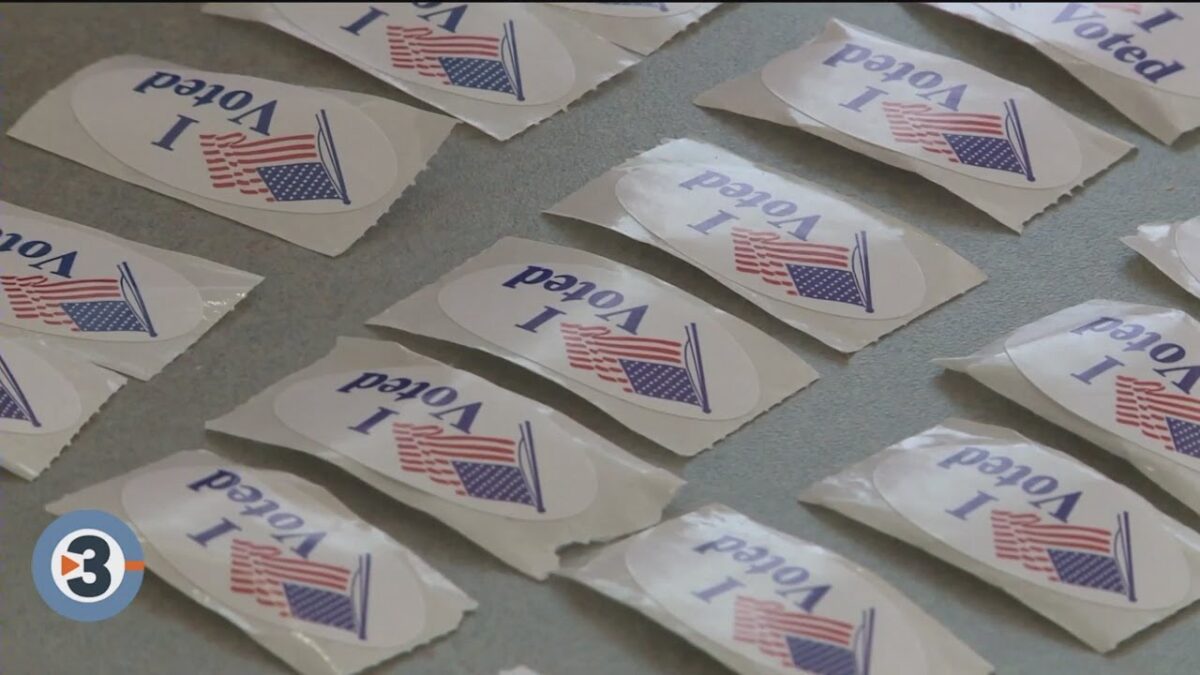

Another election integrity fight is brewing in Minnesota, and this one centers on a simple question that somehow always turns into a political firestorm, who gets to see the voter rolls?
State Rep. Pam Altendorf, a Republican and vice chair of the Minnesota House Elections Committee, is demanding answers after being blocked from accessing active voter roll data in multiple counties.
“Why is there such an effort to block us or any election integrity group to see this information?” Altendorf asked over the weekend.
According to Altendorf, she submitted formal data requests to four counties after reviewing Minnesota statutes and consulting with election integrity advocates. She believes she has the authority, particularly as a member of the House Elections Committee, to review the records as part of legislative oversight.
Three counties declined to provide the data. Hennepin County, the state’s most populous, did comply.
What Altendorf says she found in Hennepin County’s records is what set this off.
She claims to have identified nearly 3,000 active voter entries missing key identifying information, including birthdates, names, or addresses. She also flagged potential duplicate records and said some voters appeared to be more than 100 years old.
Now, there is context. Alpha News reported that the year 1900 was commonly used as a placeholder birth year for voters who registered before 1983, when a date of birth was not required. That could explain at least some of the seemingly ancient voters on the rolls.
Hennepin County officials responded by saying they administer elections in accordance with state law and guidance from the secretary of state’s office. A county spokesperson noted that voter records can be flagged as challenged for routine reasons, such as when a registration confirmation postcard is returned as undeliverable.
Altendorf is not satisfied.
She said part of her concern stems from reports that the U.S. Department of Justice requested voter roll information from states nationwide as part of election integrity initiatives. Minnesota reportedly declined to provide that data, citing privacy concerns.
After that, Altendorf says she dug into state law and worked with groups like Minnesota Voters Alliance before concluding she could request the records directly from counties.
She is now accusing Democratic Secretary of State Steve Simon of obstructing her efforts. “If they’re clean, that’s great,” Altendorf said. “And if not, if Steve Simon is unable or unwilling to clean our voter rolls, then we absolutely have to get federal help because this is disenfranchising every legal voter in Minnesota.”
The Secretary of State’s office has not publicly responded to her claims.
At the heart of this dispute is a familiar divide. One side sees routine data requests as legitimate oversight. The other sees them as politically motivated attempts to cast doubt on elections. What should not be controversial is the idea that accurate voter rolls matter.
Transparency builds trust. Blocking access fuels suspicion. Minnesota now finds itself squarely in that debate.
Leave a Comment