


Dr. Anthony Fauci’s long-running battle with Sen. Rand Paul just escalated dramatically, and this time the dispute has landed at the doorstep of the Department of Justice.
On Thursday, the Senate Homeland Security and Governmental Affairs Committee voted 8-5 to hold Fauci in contempt of Congress, according to Reuters. Paul, the Kentucky Republican who chairs the committee, then sent a criminal referral to the Justice Department requesting that prosecutors consider charges against the former federal infectious disease official.
Paul made his intentions perfectly clear before the committee vote, saying he would “immediately send it to the Department of Justice and ask them to continue proceedings to come down with an indictment.”
Then he did exactly that.
According to Reuters, Paul bypassed a contempt referral vote by the full Senate, arguing that such a vote was unnecessary. Democrats objected, claiming the move violated Senate procedure and noting that a referral would likely have failed to reach the 60 votes necessary in the full chamber.
That disagreement is likely to become another Washington procedural food fight, because apparently nothing in Congress can happen without an argument over which rulebook somebody should be reading.
The underlying dispute, however, is considerably more serious.
Reuters reported that Fauci invoked his constitutional right against self-incrimination more than 100 times during testimony last week. The committee’s contempt resolution accuses Fauci, who retired in 2022, of failing to comply with a congressional subpoena.
The Justice Department has confirmed receiving the referral.
“We have received the document, we are reviewing it and will work with the Senate accordingly,” a DOJ spokesperson said.
That means Paul’s referral is not itself an indictment, conviction or finding of criminal guilt. The Justice Department will now determine what, if anything, comes next.
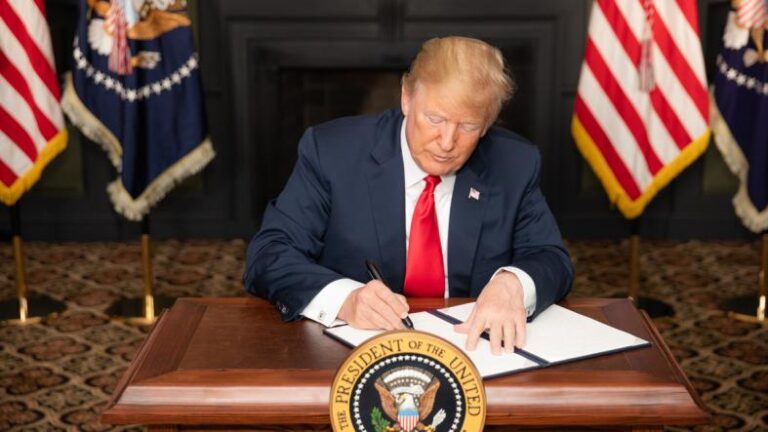
President Trump has also weighed in, suggesting Fauci could potentially face prosecution and comparing the situation to former Trump advisers Peter Navarro and Steve Bannon, both of whom served prison sentences after contempt-of-Congress convictions involving congressional subpoenas.
“Maybe he should. What he did was far more serious than a lot of crimes, frankly,” President Trump told reporters when asked whether Fauci should be prosecuted.
According to Reuters, contempt of Congress is a federal misdemeanor carrying a potential fine of up to $100,000 and as much as 12 months in prison.
The political significance goes beyond one contempt referral.
For years, Paul has aggressively questioned Fauci over the government’s handling of COVID-19, pandemic-era policies and questions surrounding the origins of the virus. Their exchanges became some of the most heated congressional confrontations of the pandemic era.
Now the arguments are no longer merely about television clips and committee-room fireworks. Paul has formally asked federal prosecutors to act.
Democrats characterize the effort as an improper and politically motivated attempt to revisit pandemic controversies. Republicans supporting Paul see accountability questions that were never adequately answered.
There is also an unavoidable political irony surrounding congressional subpoenas. Washington spent years insisting that defying Congress was an extraordinarily serious matter when Trump officials were in the hot seat. Now that Fauci faces a Republican-led investigation, suddenly the procedural fine print has become remarkably fascinating.
Principles are much easier in Washington when only the other team has to live by them.
Fauci retains all of his constitutional protections, including the Fifth Amendment rights he invoked during his testimony, and the criminal referral does not establish guilt. Any prosecution would still have to proceed through the normal legal system.
But after years of fierce congressional clashes, Paul has succeeded in putting the matter directly before the Justice Department.
The next decision belongs to federal prosecutors, and their response will determine whether this latest Fauci controversy remains a political confrontation or becomes a criminal case.

Leave a Comment