
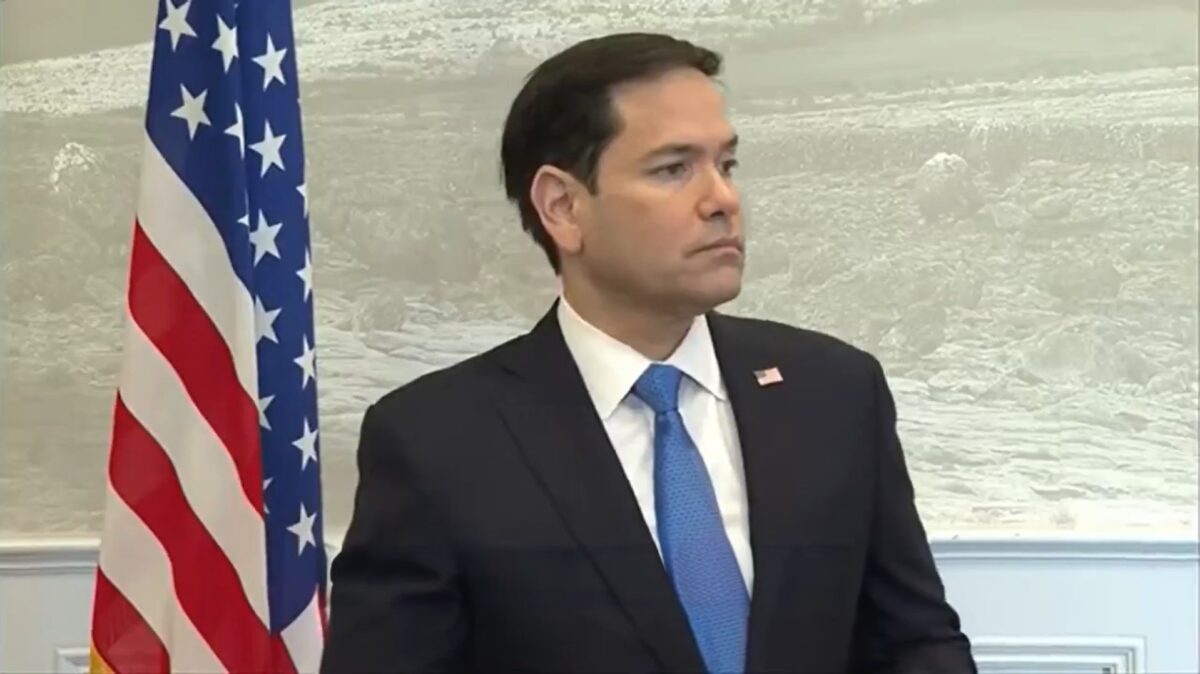

Things got heated fast on Capitol Hill, and this time it wasn’t just the usual political theater, it was a full-on verbal smackdown. Rep. Gregory Meeks tried to force a subpoena against Secretary of State Marco Rubio over the Trump administration’s handling of the Iran conflict, and it blew up in his face almost immediately.
Meeks came in swinging, arguing that Congress and the American public deserve more transparency about what’s happening with Iran. He pushed for public hearings and tried to compel testimony from Rubio and other officials involved in shaping the administration’s strategy. On paper, that sounds like a standard oversight move. In reality, it quickly turned into an awkward moment when Republicans pointed out something pretty inconvenient, the information he claims to be missing is already available.
Enter Rep. Brian Mast, who didn’t exactly hold back. Mast fired right at Meeks, accusing him of demanding answers he hasn’t bothered to show up for. According to Mast, there have been multiple classified briefings where these exact issues were discussed in detail, and Meeks has a habit of either missing them or strolling in late.
Mast didn’t sugarcoat it either. He pointed out that Meeks showed up 45 minutes late to one briefing and suggested that maybe, just maybe, being on time would help him understand what’s going on. Then came the follow-up jab about taking notes, because apparently remembering the information has also been an issue. Not exactly the kind of exchange you want when you’re trying to make a serious argument about accountability.
Meeks pushed back, claiming the classified briefings aren’t enough and that the American people deserve to hear directly from officials in a public setting. He framed the Iran situation as a “war of choice” and argued that decisions of this magnitude shouldn’t stay behind closed doors. That’s a fair talking point in theory, but it loses some punch when your colleagues are pointing out that you’re skipping the meetings where the details are already being shared.
This clash highlights a bigger divide in Washington right now. Democrats are pushing for more public visibility into the administration’s Iran strategy, while Republicans argue that broadcasting sensitive information could undermine national security. There’s a reason classified briefings exist, and it’s not just to make life inconvenient for lawmakers.
Meanwhile, the situation with Iran isn’t exactly cooling off. The U.S. is increasing its military presence, warnings are escalating, and at the same time there are quiet signals about possible diplomatic solutions. It’s a complicated, high-stakes situation, which makes the need for informed leadership even more important.
If lawmakers want answers, showing up might be a good place to start.

Leave a Comment