

President Trump just sent a message to Washington, the Supreme Court, and every foreign government that has enjoyed sweetheart trade deals for decades. He is not backing down.
One day after the Supreme Court ruled 6 to 3 against his signature tariff policy, President Trump responded the way he usually does when cornered. He moved forward, just using a different door.
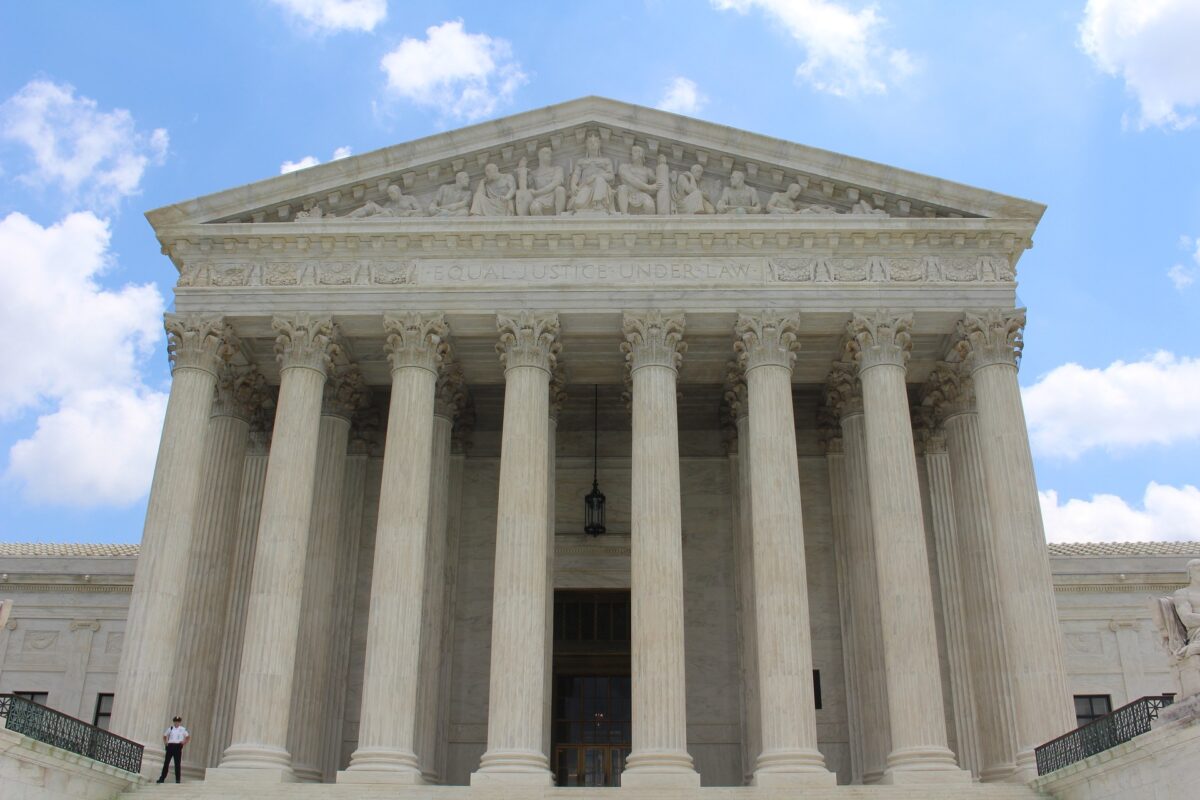
The Court had ruled that his original tariffs, imposed under the International Emergency Economic Powers Act, exceeded presidential authority. In other words, six justices decided he had stretched that particular statute too far. The reaction from the usual political class was predictable. They thought this was the end of the road for Trump’s aggressive trade agenda.
They were wrong.
Within hours of the ruling, President Trump signed a proclamation imposing a 10 percent global tariff under Section 122 of the Trade Act of 1974. That provision gives the president authority to impose tariffs of up to 15 percent for 150 days, after which Congress must step in. By Saturday, he raised the rate to the full 15 percent allowed under the statute.
Trump raising global tariffs to 15% after Supreme Court defeat https://t.co/x3hNIekozz pic.twitter.com/LTBkN3XuHk
— New York Post (@nypost) February 21, 2026
In a statement reported by Fox News, President Trump did not mince words. “Based on a thorough, detailed, and complete review of the ridiculous, poorly written, and extraordinarily anti-American decision on Tariffs issued yesterday, after MANY months of contemplation, by the United States Supreme Court, please let this statement serve to represent that I, as President of the United States of America, will be, effective immediately, raising the 10% Worldwide Tariff on Countries, many of which have been ‘ripping’ the U.S. off for decades, without retribution (until I came along!), to the fully allowed, and legally tested, 15% level.”
That is not the language of someone retreating.
He even said he was “deeply disappointing” and “ashamed” of certain members of the Court, including conservative justices who voted against him. That raised eyebrows in legal circles, but it also underscored something important. President Trump views trade as a core national security and economic issue, not just another policy lever to tweak around the edges.
Section 122 authority only lasts 150 days unless Congress acts. That clock is now ticking. But Trump’s team has made clear they have been preparing alternative legal strategies for months. They knew this fight could end up at the Supreme Court. They had contingencies ready.
Critics argue that tariffs raise consumer prices and spark retaliation. Supporters argue that decades of lopsided trade agreements hollowed out American manufacturing and weakened domestic industry. President Trump clearly falls into the second camp. He has made reshaping America’s trade relationships a central mission, not a side project.
The tariff battle is far from over. If anything, it has entered a new phase. The Court may have limited one legal pathway, but it did not eliminate the broader authority Congress has already placed in the executive branch. President Trump just proved he is willing to use every inch of it.

Leave a Comment