
For years, Americans who raised concerns about voter registration fraud were treated like they had wandered into a Thanksgiving dinner wearing a tinfoil hat. The media insisted widespread vulnerabilities did not exist, politicians dismissed concerns as “misinformation,” and social media platforms practically acted like unpaid interns for fact-checking organizations. Then along comes a federal criminal case out of California that sounds exactly like the kind of thing critics warned about all along.
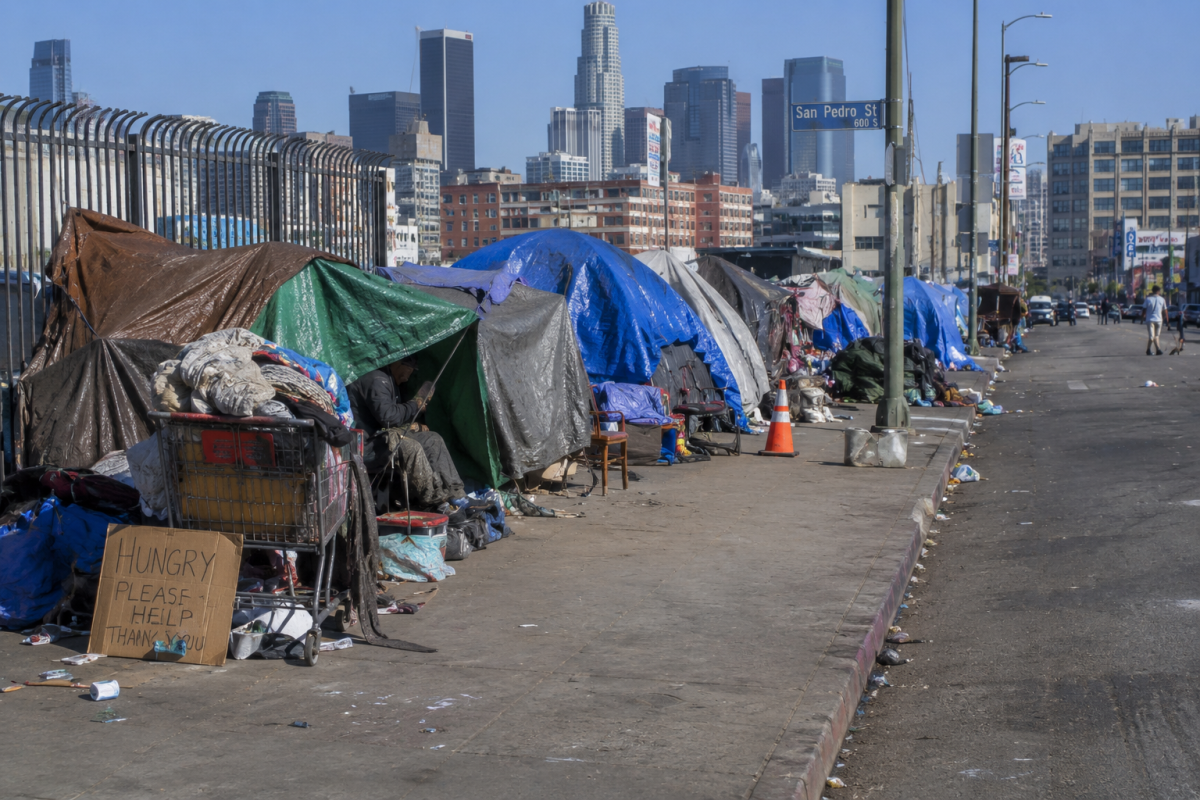
The Justice Department under President Trump announced federal election integrity charges against 64-year-old Brenda Lee Brown Armstrong of Marina del Rey, who prosecutors say spent years paying people, including homeless individuals on Los Angeles’ Skid Row, to register to vote. Armstrong has reportedly agreed to plead guilty to one felony count of paying another person to register to vote, a charge carrying up to five years in federal prison.
FBI RESPONDS: Director of the FBI Kash Patel's statement on the indictment of Brenda Brown from our Skid Row Election Fraud Investigation. @FBIDirectorKash https://t.co/pdKseUWKFH
— James O'Keefe (@JamesOKeefeIII) May 18, 2026
According to prosecutors, Armstrong worked for roughly two decades as a petition circulator, gathering signatures for California ballot initiatives, referendums, and recalls. The system itself created a financial incentive because petition circulators were paid based on how many signatures came from registered voters. Apparently, when money enters the equation, some people suddenly become very creative about “helping democracy.”
Federal authorities allege Armstrong regularly paid people between $2 and $3 cash to sign petitions. Prosecutors also say she offered cigarettes and phone cards as incentives. Starting no later than 2025, the alleged operation reportedly expanded beyond petition signatures into outright voter registration payments. According to the Justice Department, Armstrong paid homeless individuals to complete voter registration forms so they could later sign petitions tied to California ballot measures.
The most troubling detail may involve addresses. Since many homeless individuals lacked permanent residences, prosecutors say Armstrong sometimes provided her own former Los Angeles address on registration forms. Under California’s universal vote-by-mail system, ballots could potentially be mailed to locations where registrants did not actually live or receive mail. Critics of mail-in voting have warned for years that weak voter roll maintenance creates opportunities for abuse exactly like this.
Assistant Attorney General Harmeet K. Dhillon addressed the broader implications directly, saying, “False registrations undermine Americans’ faith in elections, even more so when payoffs are involved.” She added that the Justice Department is committed to ensuring elections remain “fair and free from illegal meddling.” That statement probably sounded refreshing to millions of voters who have spent years watching election security concerns get mocked instead of investigated.
The case also reportedly connects to undercover work conducted by conservative journalist James O’Keefe, whose team posed as homeless individuals on Skid Row while using hidden cameras to document petition circulators allegedly discussing payment schemes. O’Keefe claimed petition workers admitted they could earn massive sums by collecting signatures tied to registered voters.
Naturally, defenders of California’s election system will insist this is just one isolated case. Funny how every fraud case is always “isolated,” yet they somehow keep appearing with remarkable consistency. What this prosecution really demonstrates is that election laws exist for a reason, and enforcing them should never have been controversial in the first place.


Leave a Comment