
A fresh report is stirring up old ghosts and new speculation in Washington, suggesting the Pentagon may be reviewing options for possible military action involving Cuba. Publicly, officials insist there is no active invasion plan on the table. Privately, according to anonymous sourcing cited by USA Today, contingency planning is “quietly ramping up.” In government language, that can mean anything from updating dusty binders to serious scenario modeling. Welcome to the world of strategic ambiguity, where everyone says nothing is happening while making sure everyone notices.
The report offered few hard details and did not explicitly describe any operation as an invasion. That matters, because there is a wide gulf between a full-scale assault and more limited options such as maritime enforcement, evacuation contingencies, cyber measures, covert support, or targeted pressure campaigns. A defense expert quoted in the story reportedly called the chatter “a lot of signaling,” which sounds like the polite version of saying calm down.
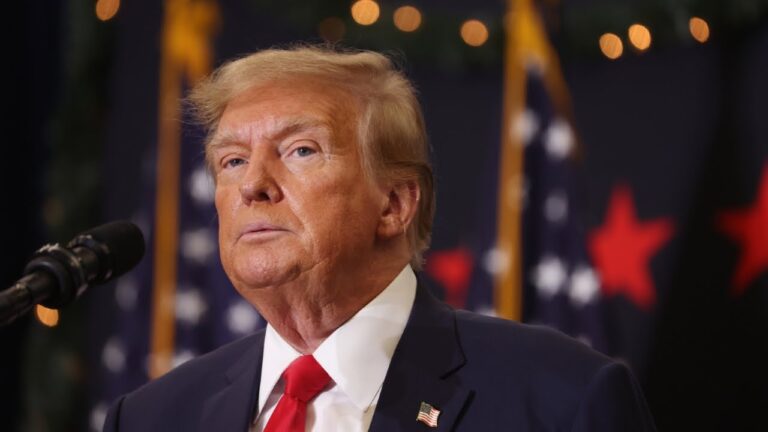
Still, the timing is not random. President Trump has spent months publicly escalating rhetoric against Cuba’s communist regime, at times describing the island as a possible next front after U.S. operations involving Iran. He even floated the idea of a “friendly takeover,” which is the sort of phrase that tends to make diplomats reach for antacids.
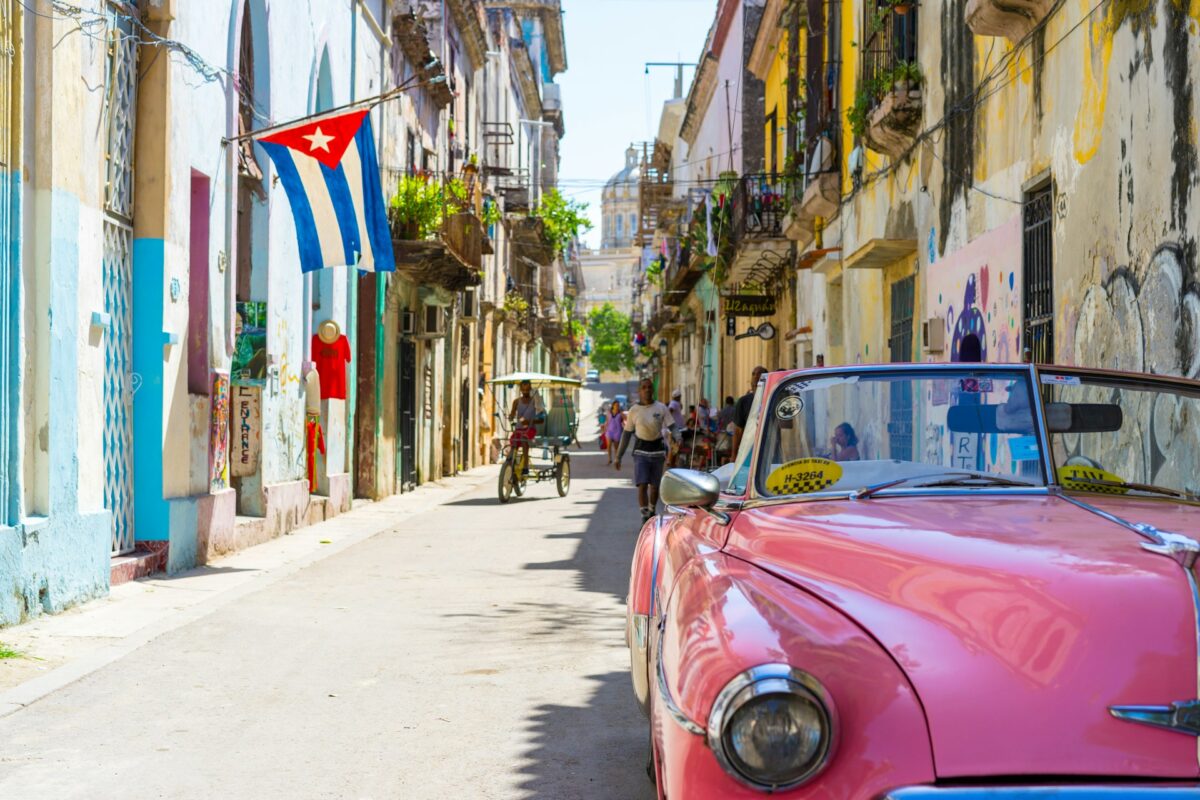
Cuba remains under the same communist system installed after the 1959 revolution, with Miguel Díaz-Canel serving as president under the enduring shadow of the Castro-era power structure. Meanwhile, the island’s economy continues to deteriorate. Food shortages, blackouts, inflation, and repression have fueled recurring protests. Independent monitors say demonstrations continue at a brisk pace, showing frustration that cannot be hidden forever.
That internal weakness is one reason the speculation persists. Failing authoritarian governments often look stable until suddenly they are not. Washington planners know that instability ninety miles from Florida is not something to ignore.
There is also the geopolitical angle. Reports that the Trump administration briefed Congress on allegations Cuba has aided Russia’s war effort in Ukraine only add fuel to the fire. If Havana is helping hostile powers abroad while suppressing its own people at home, pressure for a stronger U.S. response grows.
Yet there is an important reality check. U.S. Southern Command leadership recently testified the Pentagon was not “rehearsing an invasion” or actively preparing to attack Cuba. That statement should carry more weight than anonymous whispers and internet rumor mills.
In Florida, however, politics has its own momentum. A new Miami Herald poll found strong support among Cuban Americans for military action against Cuba’s communist leadership. That sentiment reflects decades of exile frustration and the belief that peaceful pressure has failed.
For now, no official directive exists and no operation has been announced. But with President Trump talking tough, Cuba wobbling internally, and Washington reviewing contingencies as it always does, the rumors are not disappearing anytime soon. Sometimes chatter is just chatter. Sometimes it is the first drumbeat.
Leave a Comment