
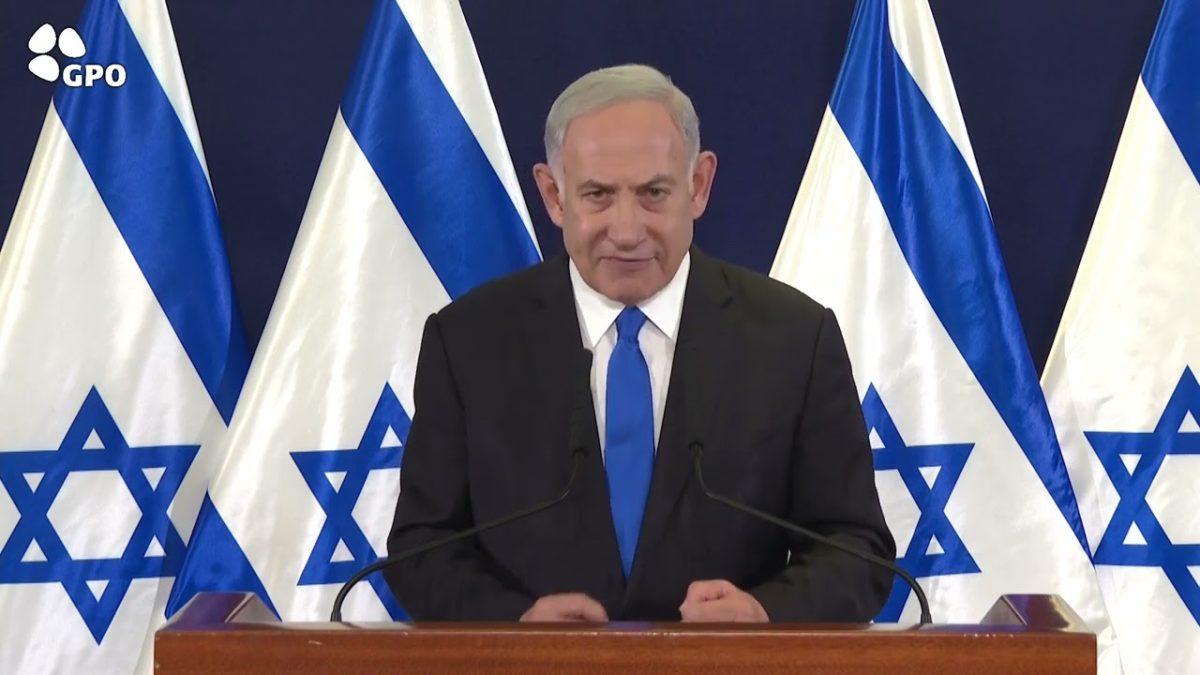

A reported phone call between President Trump and Israeli Prime Minister Benjamin Netanyahu has sparked fresh attention to growing tensions surrounding negotiations with Iran and the ongoing conflict between Israel and Hezbollah in Lebanon.
According to reports published Monday, the conversation between the two longtime allies became unusually heated as both leaders discussed Israeli military operations and their impact on ongoing diplomatic efforts involving Iran.
The dispute reportedly began after Iran announced it was suspending indirect peace talks with the United States. Iranian officials blamed Israeli military operations in Lebanon, arguing that recent strikes against Hezbollah targets violated the broader framework supporting negotiations.
Iranian Foreign Minister Abbas Araghchi later confirmed that Tehran had halted communications through intermediaries in response to the Israeli actions.
Despite Iran’s announcement, President Trump publicly maintained that negotiations remained active. In a Truth Social post, he stated that discussions with Iran were continuing at a “rapid pace” and suggested that diplomatic progress was still being made.
President Trump also described a conversation with Netanyahu as “very productive,” claiming he had persuaded the Israeli leader to halt plans for a major military operation in Beirut. Trump further stated that he had secured commitments through intermediaries from Hezbollah representatives to cease attacks, helping reduce tensions along the border.
However, Netanyahu appeared to offer a different assessment shortly afterward.
In a statement posted to social media, the Israeli prime minister emphasized that Israel’s military strategy remained unchanged. He warned that if Hezbollah continued attacking Israeli civilians and cities, Israeli forces would strike terrorist targets in Beirut.
“Our position remains unchanged,” Netanyahu wrote. “At the same time, the IDF will continue operating in southern Lebanon as planned.”
Prime Minister Benjamin Netanyahu:
"I spoke this evening with President Trump and told him that if Hezbollah does not stop attacking our cities and citizens, Israel will strike terrorist targets in Beirut.
Our position remains unchanged.
At the same time, the IDF will continue…
— גיא עזריאל Guy Azriel (@GuyAz) June 1, 2026
The conflicting public statements fueled speculation about what had actually occurred during the leaders’ conversation.
According to Axios, which cited anonymous White House sources, the call became one of the most contentious exchanges between President Trump and Netanyahu since Trump returned to office. The report alleged that Trump expressed intense frustration with Israel’s military actions, believing they risked undermining U.S. diplomatic efforts with Iran.
The reported remarks included strong language and reflected concerns that continued escalation could derail negotiations at a critical moment.
Despite those reports, President Trump publicly emphasized cooperation rather than conflict. His social media posts portrayed the conversation as successful and highlighted what he described as efforts to prevent a broader regional confrontation.
🚨 SHOTS FIRED: TRUMP JUST WENT OFF ON NETANYAHU: “YOU’RE F**KING CRAZY” 🚨 pic.twitter.com/Y4ludu8jS2
— Jesse Watters (@JesseBWatters) June 2, 2026
Meanwhile, events on the ground continued moving in a different direction.
As of Tuesday morning, Israeli operations targeting Hezbollah positions in Lebanon remained ongoing following reports of additional rocket attacks against Israeli territory. Netanyahu reiterated that Israel would continue taking action against threats originating from Lebanon and would target locations in Beirut if attacks on Israeli civilians persisted.
The episode highlights the increasingly delicate balance facing the administration as it attempts to pursue negotiations with Iran while simultaneously supporting one of America’s closest allies in a volatile and rapidly evolving region. Whether diplomacy or military escalation ultimately prevails remains an open question.

Leave a Comment