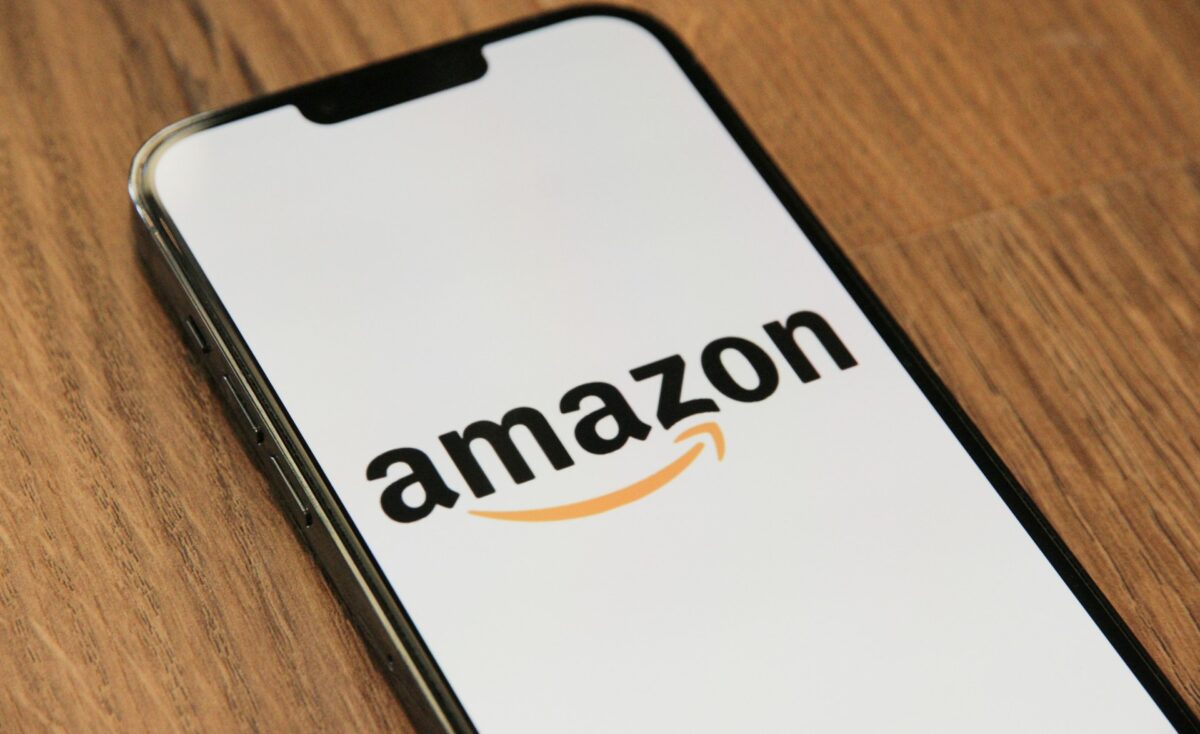

Amazon has removed paperback listings for the 1973 novel The Camp of the Saints from its U.S. marketplace, reigniting a familiar modern debate: who gets to decide what Americans are allowed to buy, read, debate, or criticize?
The novel, written by French author Jean Raspail, has been controversial for decades. It portrays Western collapse through mass immigration into France and broader Europe. Critics call it racist and xenophobic. Supporters say it is a provocative warning about cultural decline, demographic change, and political elites unwilling to defend national identity. In other words, it is exactly the kind of book adults should be able to examine and judge for themselves.
According to Vauban Books editor Ethan Rundell, Amazon removed paperback listings on April 17 while Kindle and audiobook versions remained available at the time. He also said the paperback could still be purchased through Amazon’s Canadian site. Apparently the content is too offensive south of the border but manageable a few hundred miles north. Fascinating geography.
Looks to me like @JusticeATR needs to look hard at Amazon, which controls half of the U.S. book market.
They have removed a small selection of books over the years in a highly ideological and partisan way. https://t.co/ZdrgPrqglC
— Jeremy Carl (@realJeremyCarl) April 20, 2026
Amazon reportedly cited its “offensive content” policy but did not specify what passages violated the rule. That is becoming standard corporate behavior: make sweeping decisions, offer vague explanations, and trust the public not to notice the arbitrary enforcement.
Rundell noted the edition had been sold on Amazon since July 2025 and moved roughly 20,000 paperback copies in eight months. So the company had no issue taking the revenue until controversy returned. Nothing says moral conviction quite like delayed enforcement after sales targets are met.
He also suggested the move may have followed renewed attention after a New York Magazine article critical of Vice President JD Vance referenced the book. If true, that would fit a pattern Americans know well. Media pressure rises, corporations panic, and principles mysteriously vanish by close of business.
The larger issue is not whether readers must agree with Raspail’s arguments. They do not. Many will find the book offensive, wrong, or deeply flawed. Fine. Critique it. Debate it. Publish rebuttals. Ignore it entirely. But removing lawful books from dominant retail platforms because they are politically radioactive is another matter.
The left often speaks dramatically about “book bans,” usually involving school curriculum disputes or age-appropriate library policies. Yet when an actual retail giant limits access to a controversial political text, many of the same voices suddenly lose interest. Curious how censorship becomes nuanced when the target is ideologically inconvenient.
No private company is obligated to stock every title. That is true. But when a company with Amazon’s market power quietly suppresses access to books based on subjective offense standards, it shapes the national marketplace of ideas whether executives admit it or not.
The best answer to controversial books has always been more reading, more criticism, and more argument, not less access. Americans do not need corporate hall monitors deciding which old novels are too dangerous for grown adults.
If The Camp of the Saints is foolish, let readers discover that. If it contains insights, let readers wrestle with those too. Freedom is messy. That is why it is better than management.
Leave a Comment