
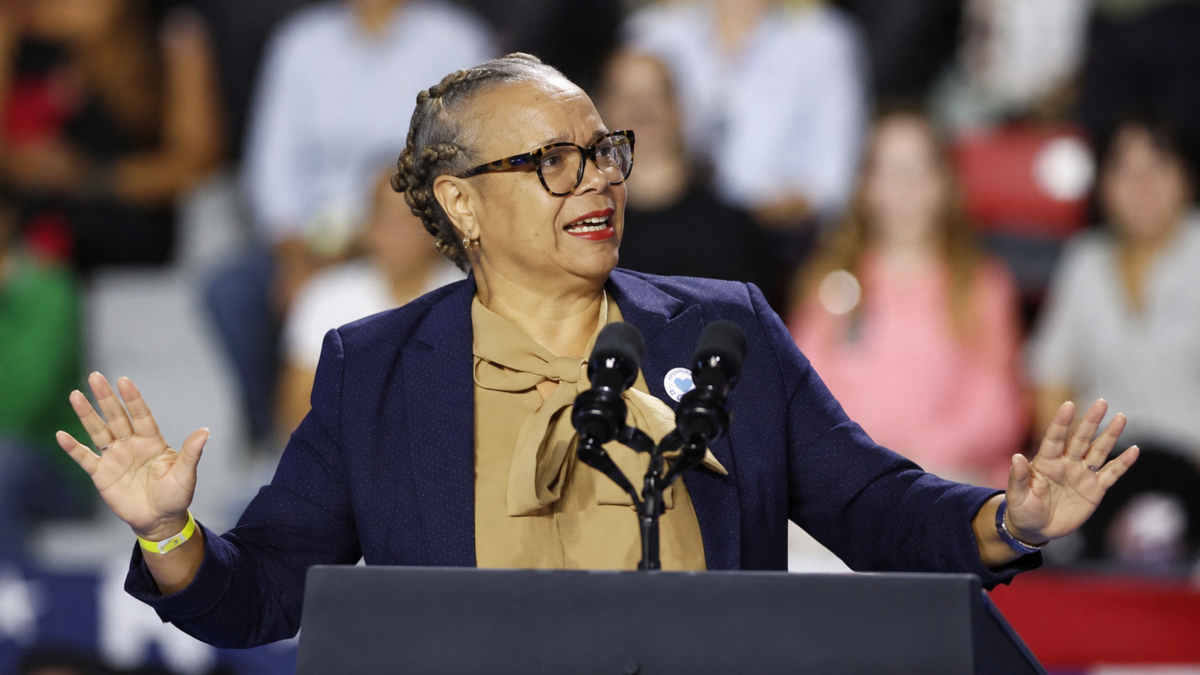

Charlotte Mayor Vi Lyles announced Thursday that she will step down from office effective June 30, bringing an end to a political run that began with her election in 2017. The decision immediately sent shockwaves through Charlotte politics and opened the door for what is shaping up to be a chaotic leadership scramble at City Hall.
Lyles said she will not seek another term and framed her departure as a personal decision centered around family and retirement after decades in local government.
“Serving as Charlotte’s mayor has been the honor of my life,” Lyles said in her announcement. “Now, it is time for the next phase of my life, to spend more time with my grandchildren and for someone new to lead us forward.”
Fair enough. After more than 30 years working in city government, most people would probably choose grandchildren over City Council meetings too. One involves family dinners and birthday parties. The other involves budget fights, angry public comment sessions, and hearing the phrase “sustainable equity initiative” approximately 900 times a week.
Lyles made history as Charlotte’s first Black female mayor and became one of the most recognizable political figures in North Carolina’s largest city. Before taking the mayor’s office, she served on the City Council and held the role of mayor pro tem from 2015 to 2017. Long before becoming an elected official, she worked behind the scenes in city government as a budget analyst, budget director, and assistant city manager.
Supporters credit her administration with overseeing major economic growth in Charlotte during a period when the city rapidly expanded into one of the Southeast’s financial and business hubs. During her time in office, city leaders pushed housing initiatives, transit expansion projects, and public safety efforts while trying to keep pace with Charlotte’s explosive population growth.
Of course, not everyone viewed the Lyles administration through rose-colored glasses. Like many big-city Democrat mayors, she faced criticism over crime concerns, rising housing costs, homelessness, and frustrations over city spending priorities. Public transit expansion also became a lightning rod for debate, especially after voters approved a sales tax increase last year designed to fund transportation infrastructure upgrades.
For taxpayers already battling inflation, higher property taxes, and rising living expenses, another tax hike was about as welcome as a mosquito at a backyard cookout.
Now Charlotte finds itself entering a political free-for-all. With Lyles leaving at the end of June, city leaders will have to navigate a transition while potential candidates begin jockeying for position. Expect the usual promises about “bold visions,” “inclusive growth,” and “reimagining the future,” because modern municipal politics basically runs on PowerPoint slogans.
The timing is especially significant as Charlotte continues wrestling with growth challenges that affect nearly every major American city. Residents want safer neighborhoods, affordable housing, better roads, and reliable public services, all while politicians insist there is definitely, absolutely, positively no wasteful spending hiding anywhere in government budgets. Sure.
Whether supporters loved her leadership or critics were ready for change, Vi Lyles leaves behind a city that looks dramatically different than it did when she first took office. Now Charlotte’s political class gets to fight over who takes the wheel next.

Leave a Comment