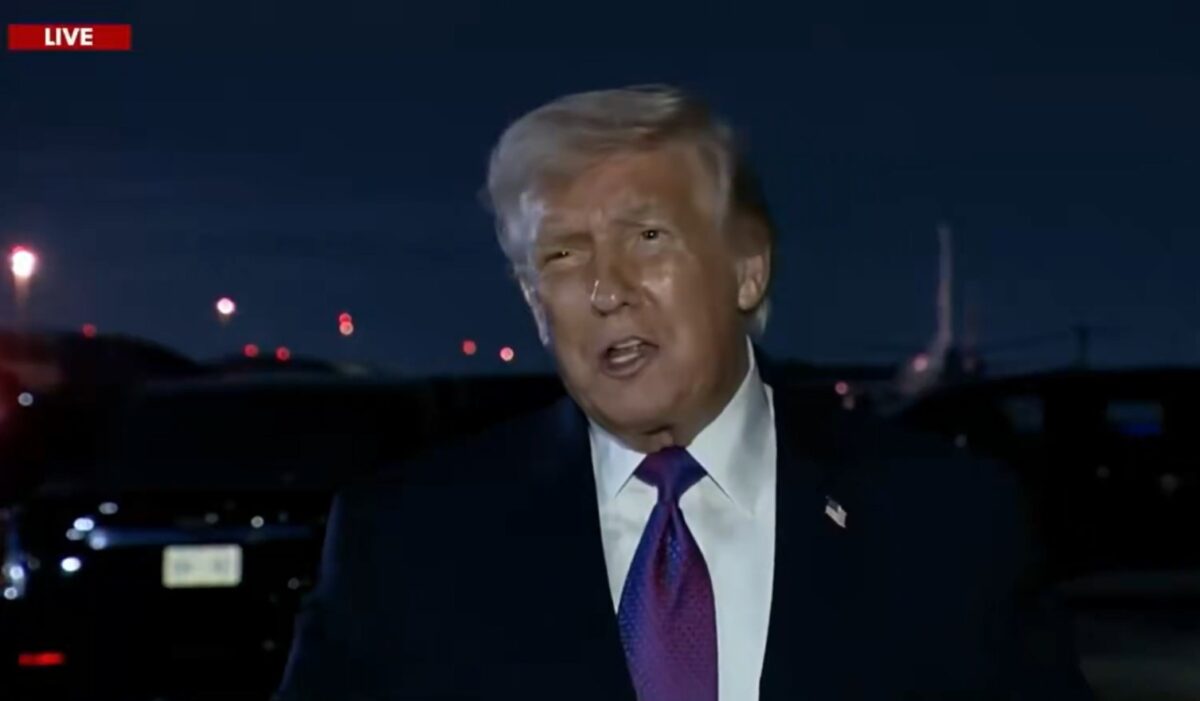

CNN’s Scott Jennings just did something that sent the foreign policy class into mild cardiac arrest. He went on television and calmly explained that the Trump administration is apparently negotiating with Iran from a position of leverage instead of surrender. Imagine that.
According to Jennings, who says he received a direct briefing from a senior President Trump administration official, the emerging Iran framework is built around a concept Washington usually forgets five minutes into any negotiation, America gives up nothing until Iran delivers first.
No pallets of cash. No sanctions relief upfront. No “trust-building measures.” No gold stars for showing up at the table and pretending not to enrich uranium in secret while diplomats sip bottled water and call it progress.
Jennings laid out a two-phase structure that sounds almost offensively logical compared to the Obama-era nuclear circus conservatives spent years warning about.
Phase one focuses on reopening the Strait of Hormuz and securing Iranian agreement to surrender enriched uranium. Phase two is where the actual transfer of nuclear material happens, and only after verified compliance does sanctions relief begin.
That sequencing is the entire story.
Iran goes first.
Iran takes the risk.
Iran gives up the goods.
The United States keeps leverage until compliance is verified.
For years, critics of the old Iran deal argued that Washington kept handing Tehran incentives before getting meaningful concessions in return. The result was predictable. Iran pocketed the relief, stretched negotiations into eternity, and continued acting like the world’s most aggressive hostage negotiator with a missile program.
This framework flips that model completely.
President Trump already hinted publicly that an agreement was “largely negotiated,” but Jennings added the behind-the-scenes detail that explains why conservatives are reacting differently this time. The administration is reportedly refusing to hand over sanctions relief or unfrozen funds before Iran proves it is serious.
That matters because the corporate media immediately started pushing the usual narrative that any negotiation with Iran automatically equals weakness. Apparently some people believe diplomacy only counts if America apologizes while writing checks.
Not this time.
Axios reported that the White House still believes negotiations could take several more days because Iran’s leadership structure moves with all the speed and transparency of a Soviet apartment complex elevator. A senior U.S. official reportedly described the talks as being in a “very good place” while acknowledging the agreement could still unravel.
That caution is important. Jennings himself stressed that nothing is finalized.
Still, the framework itself tells you a lot about how President Trump approaches these negotiations. This is not “hope and goodwill” diplomacy. This is pressure diplomacy.
The Strait of Hormuz component is enormous. Hormuz is one of the most important shipping chokepoints on the planet, and Iran has threatened it for decades whenever tensions rise. Reopening it without tolls or threats would stabilize global shipping and energy markets almost immediately.
Secretary Rubio reportedly emphasized that Iran must keep Hormuz open and surrender enriched uranium. Again, not exactly the language of an administration desperate for a photo-op agreement.
The details Axios reported reinforce the same leverage-first structure Jennings described. Iran wanted immediate access to frozen funds and broader sanctions relief. The U.S. position reportedly remains firm, concessions only come after tangible Iranian compliance.
That is the key distinction here.
Under this framework, Iran does not get rewarded for promises. Iran gets rewarded for performance.
There is also a built-in safeguard. By separating the Hormuz reopening from the final nuclear settlement, Washington maintains leverage if Tehran tries its traditional tactic of dragging negotiations into an endless maze of delays and excuses.
And let’s be honest, Iran’s leadership has turned stalling into an art form. If procrastination were an Olympic event, Tehran would have enough gold medals to wallpaper the ayatollah’s office.
What Jennings described sounds less like the old “deal at any cost” mentality and more like transactional enforcement. Deliver first, then benefits follow.
That is exactly what Trump supporters have demanded for years.
Whether Iran ultimately agrees remains an open question. The administration itself is signaling caution. But if this framework survives final negotiations intact, it would represent a fundamentally different approach from the failed assumptions that dominated previous Iran diplomacy.
And that is why Jennings’ reporting landed like a grenade in Washington’s foreign policy establishment.

Predictably, the Iranians are relying on Dems and the MSM tol shriek everyday that the Iranians have won and Trump is scared to death of them. Dems claim all the military action has accomplished nothing, except to prove the Iranians are becoming more powerful everyday
MSM and the democrat communist party, is our biggest enemy!