
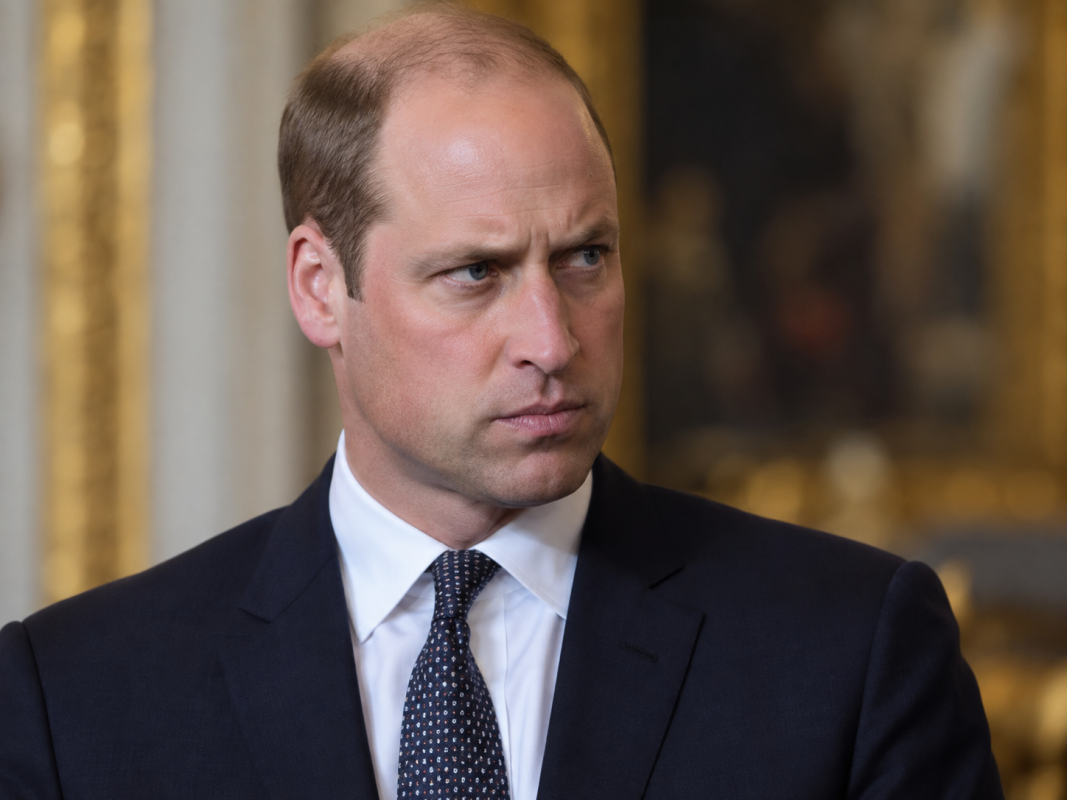

Nearly three decades after Princess Diana’s death, another bitter dispute over her final years and funeral has erupted, this time involving her brother Charles Spencer, King Charles III and Prince William.
Spencer’s new memoir, “Swan Song: Diana, My Sister,” revisits the aftermath of Diana’s death in the 1997 Paris car crash and makes explosive allegations about conversations he says he had with the future King.
According to excerpts, Spencer claims Charles “sounded giddily elated, like a lottery winner” during one conversation after Diana died at age 36. He also recounts an argument over the decision for 15-year-old William and 12-year-old Harry to walk behind their mother’s coffin.
Spencer claims Charles “went ballistic” during the disagreement and eventually told him, “Rest assured, we’ll forget her soon enough.”
Those allegations have been firmly disputed by Buckingham Palace.
“His Majesty is mindful that the pain of fraternal grief can cloud reason, affect judgment and color memory in ways others do not recognize, even many years after such a loss,” the palace said in a statement responding to the book.
Spencer, however, isn’t backing away. Asked by the BBC about the King’s response, he replied: “Is he furious or is he embarrassed?”
Now royal commentators say the book has also angered Prince William, although William himself has not publicly commented on his uncle’s claims.
Royal commentator Hilary Fordwich told Fox News Digital that sources described William as “absolutely furious.” Kinsey Schofield similarly argued that the dispute is particularly painful for William because it simultaneously involves his mother, father and the monarchy he is expected eventually to lead.
“For Prince William, there is an additional sense of betrayal,” Schofield said. “This is his uncle, who famously stood at Diana’s funeral and promised that her ‘blood family’ would protect William and Harry.”
That famous funeral pledge gives the current family dispute an uncomfortable historical dimension. Spencer publicly promised in his 1997 eulogy that Diana’s family would play a role in protecting her sons. Now critics are questioning whether publishing disputed private conversations from the days surrounding Diana’s death serves William and Harry or simply reopens wounds they have carried since childhood.
There are also conflicting accounts of King Charles’ reaction to Diana’s death.
Author Christopher Andersen, who interviewed sources for “The Day Diana Died,” told Fox News Digital that witnesses remembered Charles as “absolutely devastated” and “crushed.”
Andersen said a Balmoral staff member described Charles letting out a howl before breaking down in tears after learning Diana had died. He also said hospital workers in Paris described an intensely emotional Charles when he saw Diana’s body.
Those recollections contrast sharply with Spencer’s portrayal and underscore a central problem surrounding events almost 30 years old: intensely emotional witnesses can remember the same period very differently.
For now, Buckingham Palace appears unlikely to engage in an extended public battle. Commentator Helena Chard said the strategy is essentially to allow the publicity surrounding Spencer’s memoir to pass while the royal family continues its public duties.
Spencer, meanwhile, says he wrote the book to put his memories of Diana on record “once and for all.”
Instead, its publication has reopened one of the monarchy’s most painful chapters, placing William back in the middle of a public argument over a tragedy he experienced firsthand as a 15-year-old boy.
Leave a Comment