
The Middle East has spent years sitting on top of a geopolitical powder keg, and now the matches are flying everywhere. A new report from the Wall Street Journal claims the United Arab Emirates carried out covert military strikes inside Iran, including a direct hit on a major oil refinery on Lavan Island in the Persian Gulf. If accurate, this marks a dramatic escalation in the shadow war unfolding across the region, and it also shatters the fantasy that Gulf states were simply going to sit quietly while Iran launched attacks across the neighborhood.
According to the report, the strikes took place around April 8 while the United States was simultaneously working to lock down a fragile ceasefire in the broader regional conflict. Iranian officials at the time vaguely blamed “enemy fire” for the attack on the National Iranian Oil Refining and Distribution Company facility but conveniently avoided naming who pulled the trigger. That silence suddenly makes a lot more sense.
Iran responded quickly with missile and drone attacks targeting the UAE and Kuwait. State media in Tehran openly linked those retaliatory strikes to the targeting of the Lavan Island oil facilities. In other words, this was not exactly subtle diplomatic messaging. This was the regional equivalent of two neighbors throwing lawn furniture at each other across the property line, except the lawn furniture happens to explode.
The UAE has not publicly confirmed involvement, which is not surprising. Countries engaged in covert military operations generally do not hold cheerful press conferences afterward with PowerPoint slides and commemorative coffee mugs. Still, officials in Abu Dhabi have repeatedly insisted they reserve the right to defend themselves after enduring a relentless barrage of Iranian attacks.
And honestly, who could blame them?
During the height of the conflict, the UAE reportedly absorbed more than 2,800 missiles and drones fired toward its territory, more than any other Gulf state. That is not “regional tension.” That is sustained military aggression. Analysts say Iran specifically targeted the Emirates because of its close relationship with the United States and Israel, along with its role in helping maintain alternative oil trade routes after Iran disrupted shipping through the Strait of Hormuz.
The UAE also withdrew from OPEC and repositioned shipping operations to bypass Iranian pressure. Tehran clearly noticed.
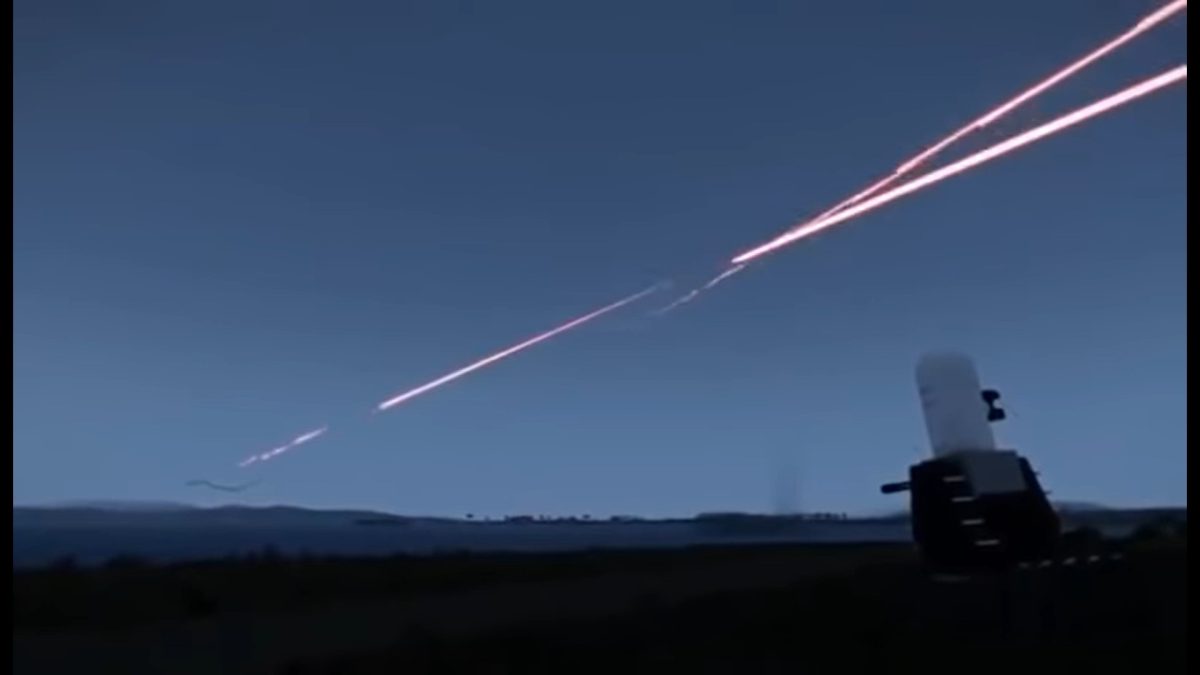
One particularly serious Iranian strike reportedly hit the Fujairah Petroleum Industries Zone on May 4, causing a major fire and injuring several people. UAE air defenses were forced into repeated interceptions throughout early May as drones and missiles continued crossing the skies over the Gulf. At some point, even the most cautious governments stop pretending restraint alone will solve the problem.
The reported strike on Lavan Island appears to have been part of a broader covert campaign inside Iran. U.S. defense officials speaking anonymously described multiple UAE operations targeting Iranian assets. So far, details remain limited, and no casualties from the refinery strike itself have been reported.
Meanwhile, the ceasefire President Trump helped broker remains barely alive. Trump himself compared the situation to a patient with a “1 percent chance of living,” which is probably the least comforting ceasefire assessment ever delivered by a president. He also hinted that outright hostilities could resume if negotiations completely collapse.
That possibility feels less hypothetical by the day. The reality is that Iran’s neighbors are increasingly unwilling to absorb attacks without responding directly. For years, Tehran operated under the assumption that regional rivals feared escalation more than Iran did. Reports like this suggest that calculation may be changing very quickly.


Leave a Comment