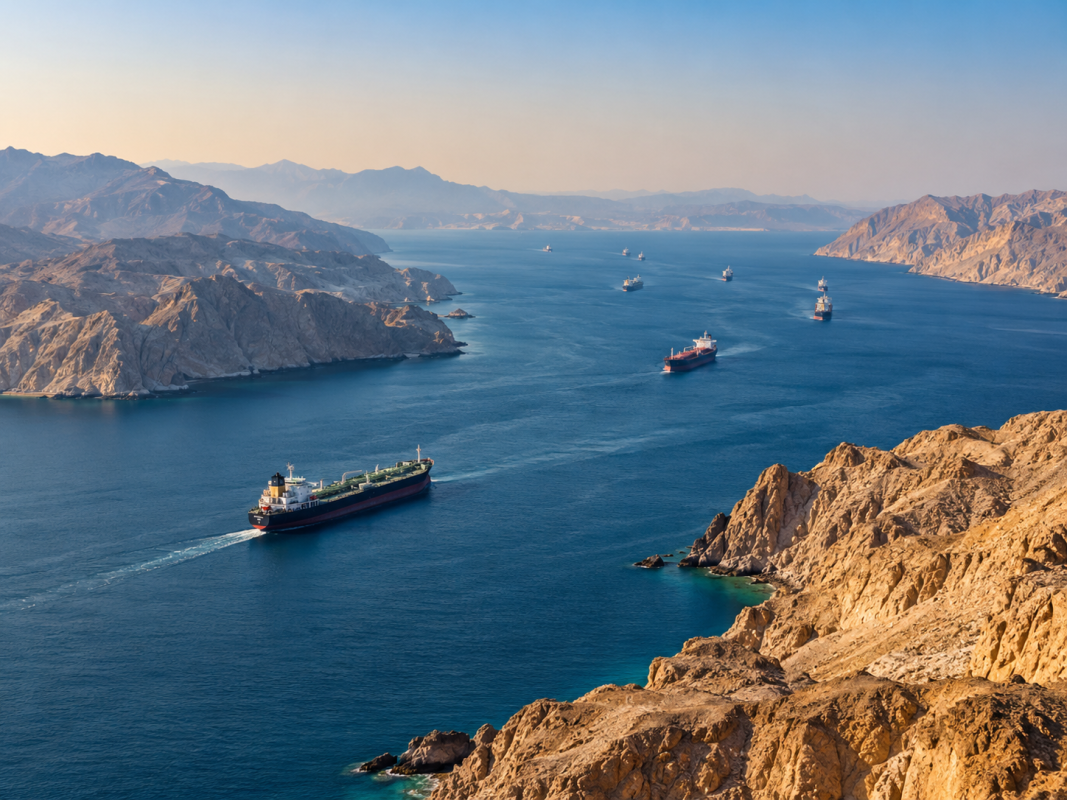

A major American ally is warning commercial shipping companies that the Strait of Hormuz remains an exceptionally dangerous place to do business, even as more energy cargoes begin moving through the critical waterway.
The United Kingdom Maritime Trade Operations Centre, which monitors maritime security threats, has maintained a severe threat assessment for the Strait of Hormuz, a classification meaning hostile action is considered “highly likely.” British officials have repeatedly warned vessels about attacks, electronic interference and other hazards in the region.
That is not bureaucratic fine print. Recent incident reports show tankers being struck by unknown projectiles, vessels catching fire and crews being forced to navigate a waterway that remains at the center of the conflict involving Iran and the United States.
UKMTO reported another incident on October 1 involving a tanker struck by an unknown projectile while transiting the strait. A fire resulted, although the crew was reported safe. Multiple similar attacks were recorded throughout September, including three reported September 30.
In other words, increased shipping traffic should not be confused with peace breaking out.
With reports continuing to come in that Iran has targeted commercial and naval shipping in the Strait of Hormuz, the United Kingdom Maritime Trade Operations (UKMTO) Centre has provided updates for incidents reported yesterday, saying that tankers were struck by unknown… pic.twitter.com/l6LI8MVC2d
— OSINTdefender (@sentdefender) September 30, 2026
The Strait of Hormuz is particularly important because of the enormous volume of energy historically transported through it. Before the current conflict disrupted shipping, roughly 20 percent of the world’s crude oil and liquefied natural gas supplies passed through the chokepoint.
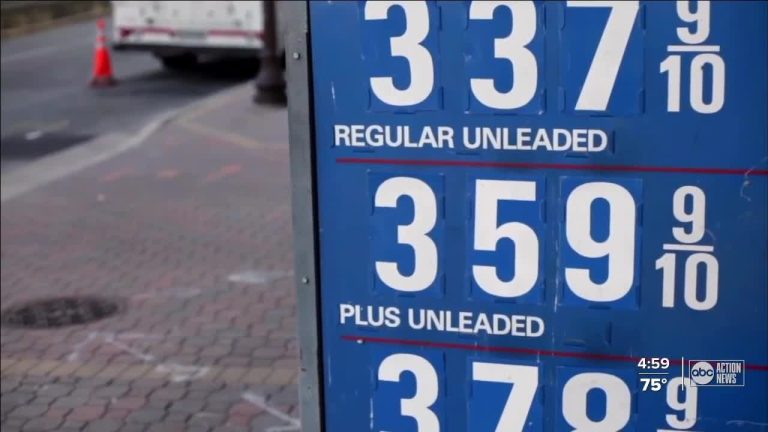
That makes every missile, projectile and navigation disruption there everybody else’s problem eventually. American drivers may never see the Strait of Hormuz, but they certainly recognize the numbers spinning upward on a gas pump.
There is some encouraging news.
Reuters reported Friday that LNG traffic through Hormuz reached its highest monthly level since the war began in February. S&P Global Energy data counted 19 outbound LNG cargoes during September, including 13 originating in Qatar and six from the United Arab Emirates. Another analytics firm, Kpler, counted 21.
Middle Eastern crude exports have also been recovering. September exports climbed to their highest level since the conflict began, although they remained substantially below prewar levels.
Shipping companies are nevertheless taking extraordinary precautions. Some LNG vessels have reportedly conducted “dark transits,” temporarily switching off their automatic identification systems before later reappearing outside the danger zone.
That tells you plenty about how normal things aren’t.
The larger problem remains unresolved diplomacy. Iran and the United States have exchanged proposals through Qatari mediators concerning the conflict and the reopening of Hormuz, but no durable agreement has restored normal navigation.
For President Trump, keeping Hormuz accessible carries enormous economic and national-security consequences. A prolonged disruption threatens energy supplies, shipping costs and ultimately American consumers.
Commercial traffic may be recovering, but British maritime officials are warning shipowners not to mistake recovery for security.
Tankers are moving again. Energy is getting through. But vessels are still being attacked, crews are still taking precautions, and the world’s most important energy chokepoint remains dangerously unpredictable.

Leave a Comment