

President Trump secured a major international energy agreement Friday as G7 nations committed to releasing 100 million barrels of oil and refined fuel products from emergency reserves, an effort aimed at cooling prices that have punished American drivers and businesses.
The agreement calls for the supplies to hit the market over four months, with a substantial amount of diesel scheduled for release during the first 20 days. The International Energy Agency will coordinate the effort.
“Europe has just agreed to release a massive amount of their heavily stocked Diesel Oil,” President Trump wrote Friday. “The process will begin immediately.”
The deal followed sustained pressure from Washington as President Trump pushed European allies to tap their reserves rather than leave American consumers carrying an outsized share of the global energy crunch. Reuters reported that the administration had considered restricting U.S. diesel exports, a possibility that created considerable concern in Europe and among American energy producers.
That pressure appears to have produced movement.
The timing could hardly be more important for Americans watching fuel pumps spin like slot machines that never pay out.
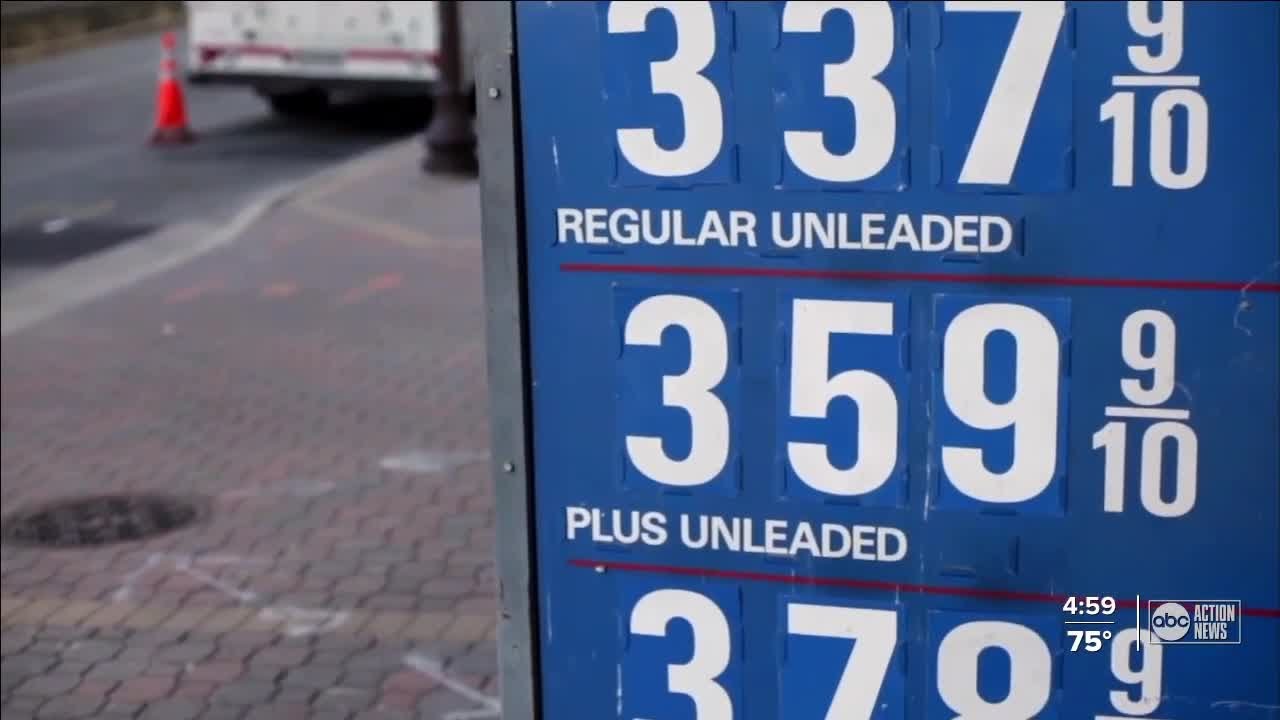
AAA reported Friday that regular gasoline averaged $4.396 nationally, compared with $4.12 a month earlier and $3.16 one year ago. Diesel stood at approximately $6.37 per gallon after reaching an all-time national record of $6.5276 on September 22.
Those aren’t abstract numbers from an economist’s spreadsheet. Diesel costs filter into trucking, farming, construction and ultimately the price of goods transported across the country.
The G7 announcement therefore represents an attempt to put additional supply into strained markets while the Iran conflict continues disrupting global energy flows. The agreement amounts to roughly one day’s global oil consumption, meaning nobody should expect gasoline stations to suddenly start giving fuel away like Halloween candy. Still, diesel futures fell following Friday’s announcement, providing an early indication that markets noticed.
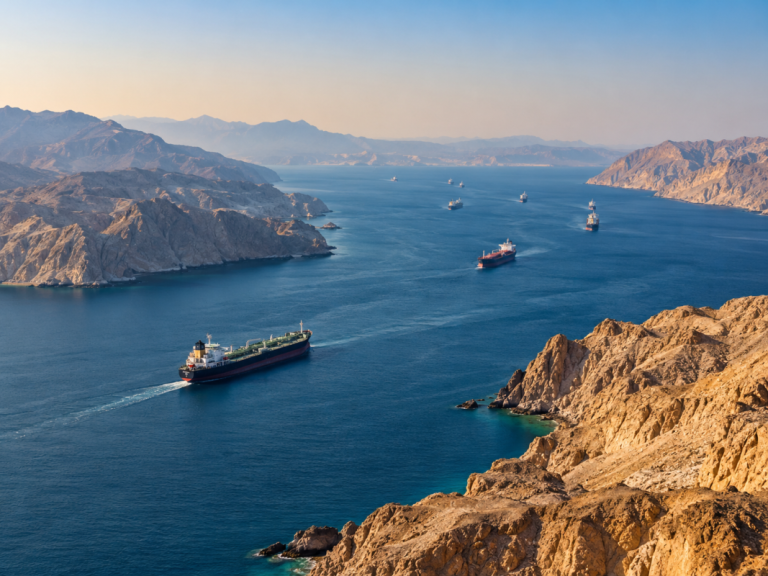
G7 leaders simultaneously condemned threats to international commerce and called for the restoration of navigational rights through the Strait of Hormuz, one of the world’s most important energy corridors.
There are political stakes as well.
The November 3 midterm elections are barely a month away, and elevated gasoline and diesel prices have become a major issue as Republicans defend their congressional majorities. The administration has consequently been searching for ways to increase available supplies without adopting export restrictions that American energy companies warned could create unintended consequences.
The agreement also illustrates how aggressively President Trump is using America’s leverage with allies. European countries were reluctant to draw down reserves amid fears that disruptions could persist, while Washington wanted immediate action to loosen the market.
Now the barrels are scheduled to move.
Whether consumers receive significant relief depends on what happens next in global energy markets, particularly the duration of Middle East disruptions. Emergency reserves can provide breathing room, but they cannot permanently replace lost production and refining capacity.
For drivers staring at gasoline above $4 and diesel above $6, however, breathing room would be welcome.
President Trump asked America’s allies to put fuel into the market, and the G7 agreed. The next number Americans will be watching isn’t 100 million barrels.
It’s the price displayed at the corner gas station.
Leave a Comment