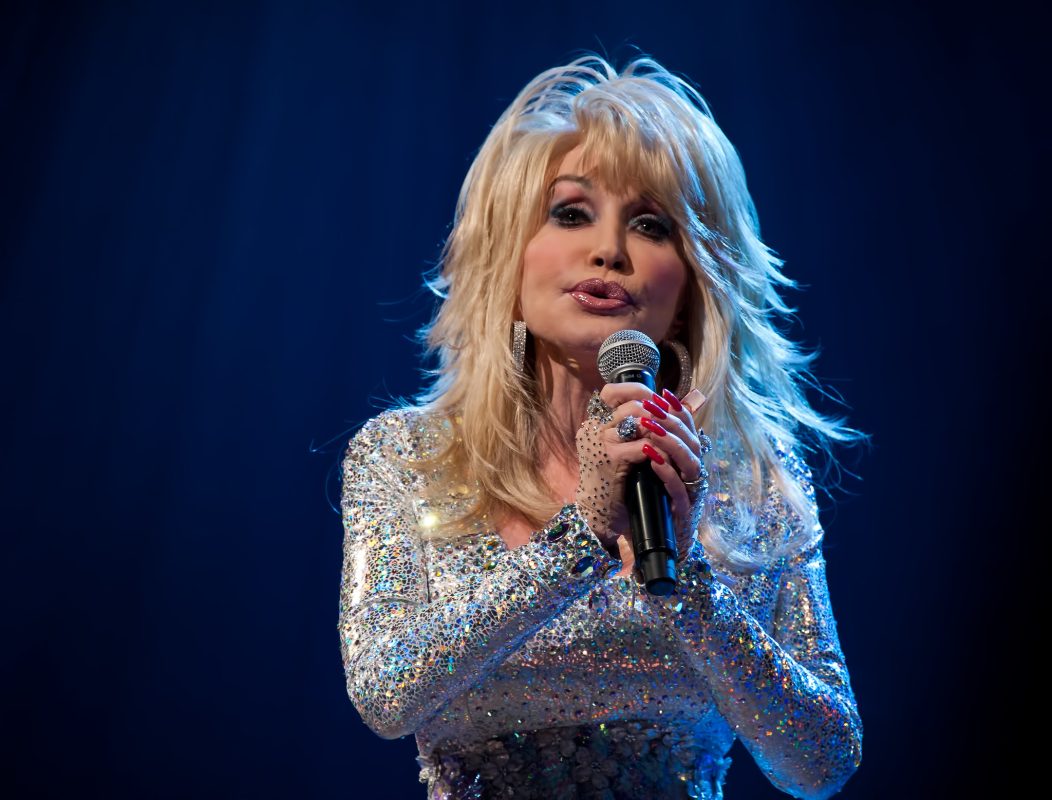

Dolly Parton spent more than six decades building one of the most extraordinary careers in American music, and even during the final days of her life, the country legend apparently had no interest in quietly calling it a career.
Parton died Tuesday at the age of 80 following a brief battle with cancer, according to her representatives. Her death came only four days after the Tennessee icon publicly declared that she still had plenty she wanted to accomplish.
“I still have so many things I want to achieve,” Parton told PEOPLE.
That determination was vintage Dolly.
Despite mounting health problems that had begun limiting her public appearances, Parton remained focused on her work and future projects. She had recently withdrawn from a scheduled appearance at Dollywood, her famous Tennessee theme park, after her doctor advised her against traveling because of ongoing health issues.
Behind the scenes, Parton had also endured several emotionally difficult years.
She spent much of that time caring for her husband, Carl Thomas Dean, as his health declined. The famously private Dean died in March 2025 after nearly six decades of marriage. Parton died approximately 17 months after losing the man who had been beside her for most of her remarkable career.
Her own health problems increasingly became a subject of public speculation, particularly online. Parton responded with the humor that had helped make her such an enduring personality.
“I used to joke that I was the Queen of the Tabloids, but now I guess I can say I’m the Queen of Social Media AI! Seriously, though, even though I’m still healin’, I’m still workin’.”
She also reminded fans that this was not the first time health problems had forced her to slow down. Parton recalled being “down for several months with female issues” during a difficult period in the early 1980s.
“But I think because we live in a 24/7 world with social media, everything gets magnified in ways it wasn’t years ago.”
Even when traditional touring became physically difficult, Parton was apparently searching for another way to reach audiences. Before her death, she revealed that she had been talking with companies specializing in “avatar performances.”
The technology could potentially have placed a digital version of Parton on stage, allowing audiences to experience her music without requiring her to endure the exhausting schedule and travel associated with a conventional tour.
Leave it to Dolly to stare down the limitations of age and illness and start investigating whether technology could simply solve the problem.
Born in Pittman Center, Tennessee, in 1946, Parton came from humble Appalachian beginnings and began recording music as a child. Her first full-length album, “Hello, I’m Dolly,” arrived in 1967.
What followed was an American success story almost impossible to duplicate.
Parton sold more than 100 million records worldwide and created a catalog containing songs that crossed generations and musical genres. “Jolene,” “9 to 5” and “I Will Always Love You” became cultural landmarks, while Parton herself grew into something bigger than a country music star.
She was a songwriter, performer, actress, businesswoman and philanthropist, but she never seemed interested in pretending that success had made her too sophisticated for the Tennessee mountains that produced her.
That authenticity was a major part of her appeal. In an entertainment industry that reinvents itself every five minutes, Dolly Parton remained unmistakably Dolly Parton.
Perhaps the most fitting detail about her final months is that she was still planning what came next. At 80, after selling more than 100 million records and accomplishing enough for several lifetimes, Parton was still talking about things she wanted to achieve.
For Dolly Parton, apparently, retirement was never much of a plan.
Leave a Comment