
A new review of election records obtained through a Freedom of Information Act lawsuit has put Detroit’s 2020 ballot-counting controversy back in the spotlight. The focus is the TCF Center, where portions of the windows were covered while absentee ballots were being processed. The footage is politically explosive, but it is not a magic courtroom exhibit. It shows people inside placing cardboard and other material over sections of the glass. It does not, by itself, prove ballot fraud, a coordinated criminal plot, or an effort that changed the election’s outcome.
The Gateway Pundit reports that more than 100 volunteers reviewed records produced after a public-records lawsuit involving Detroit’s 2020 election files. The outlet says the production approached one million pages and included roughly 155,000 absentee-ballot envelopes, voter-file data, and other election documents. Its review focuses on both the covered windows and ballots processed under the Uniformed and Overseas Citizens Absentee Voting Act, commonly known as UOCAVA. Volunteers reportedly compared those materials with testimony and video from the counting center, then concluded that official records do not match some descriptions made in 2020.
That is the outlet’s finding and interpretation, not a court ruling or a government audit. The report does not identify a criminal charge or any official conclusion adopting its broader allegation that the window episode was part of a coordinated scheme. In a political environment where every piece of cardboard can be promoted as the missing clue to history’s biggest mystery, that distinction is worth keeping in view.
The underlying lawsuit is real. An official City of Detroit council record identifies it as Yehuda Miller v. City of Detroit, Wayne County Circuit Court case 23-013808-CZ, and records the city’s authorization of a settlement. The lawsuit provides the records reviewed by the volunteers, but the existence of the case and settlement does not itself validate every conclusion drawn from those records.
The outlet says its review identified 746 total ballots cast under UOCAVA, including 132 categorized as military ballots and 616 as civilian overseas ballots. Those figures are central to the outlet’s theory because witnesses described large batches at the TCF Center as “military ballots.” WLTR has not independently audited the ballot-level files behind those numbers. For now, the figures should be treated as the outlet’s findings, not as an established government or court conclusion.
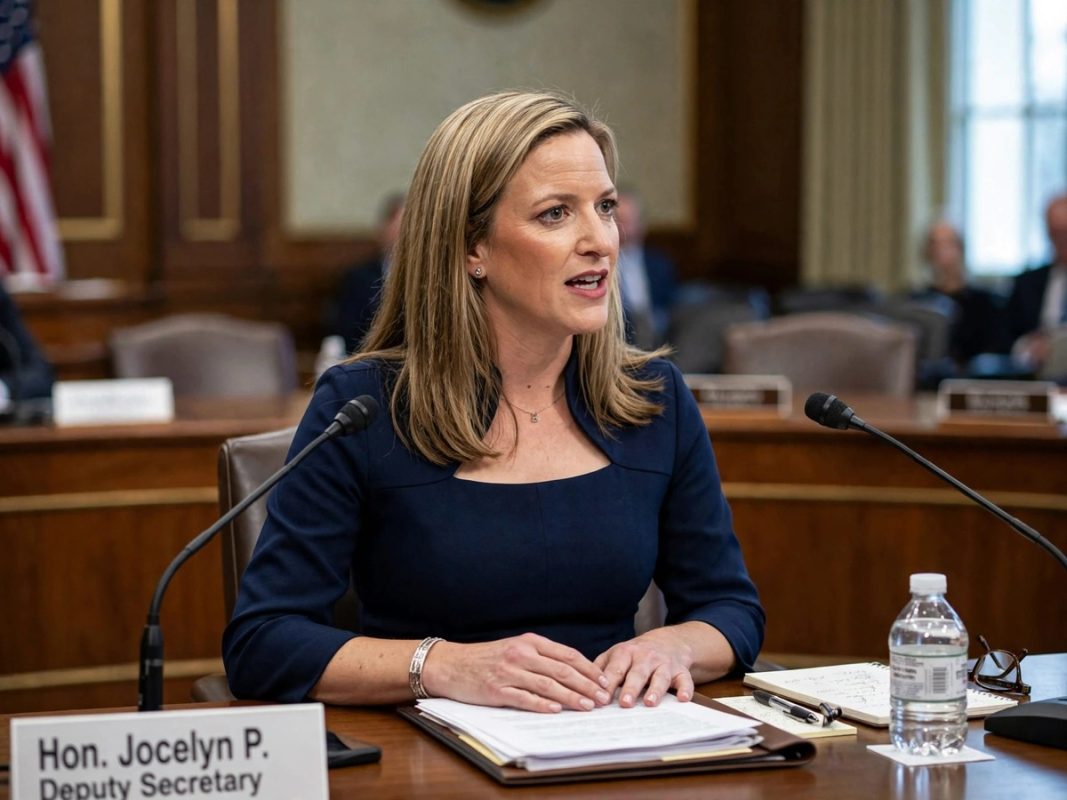
The report also revisits why the windows were covered. It points to video appearing to show people inside placing material over the glass and disputes an old radio explanation attributed to Michigan Secretary of State Jocelyn Benson, which said police covered windows amid concerns they were being broken. The available video may help establish who physically placed the material over the windows. It does not automatically settle motive, prove wrongdoing, or resolve every dispute surrounding the counting center.
The Michigan Department of State later issued a written response saying some windows were covered to stop people outside from filming election workers and private information at counting boards. The state said other windows remained uncovered and that challengers from both parties, along with reporters, continued to be present inside. It also emphasized that credentialed challengers could observe the counting process from inside the room.
Those explanations are materially different, and the records and video deserve scrutiny. They also do not give anyone a license to skip the evidence and sprint straight to a fraud conclusion. The new review raises questions about what happened at the TCF Center and how the episode was described in 2020. It does not, based on the material summarized here, establish that ballots were fraudulent, that a criminal conspiracy occurred, or that the election outcome was changed. That may be less thrilling than an all-caps internet headline, but it is a much more useful way to read the record.
BOMBSHELL: We Now Know Why They Covered the Windows at Detroit’s TCF Center the Day After 2020 Election — And Who Did It–New Evidence Reveals Potentially Big Scheme [VIDEO] https://t.co/Fi3xcu87ST
— The Gateway Pundit (@gatewaypundit) October 30, 2026
Watch for it…
Tomorrow morning at 8 am on @gatewaypundit
After 5 years, we are finally able to reveal the REAL reason the windows at Detroit's TCF Center in Nov 2020 were covered…
And who covered them…
Stay tuned, @JocelynBenson 🤡@yehuda_miller @DeluxePsypher… pic.twitter.com/xz9C5lO6YS
— PattyMI (@PattyLovesTruth) October 30, 2026
Trump’s $1 Million Voter Fraud Reward: How CheckMyVote Can Help Citizens Investigate https://t.co/IwKKe8rSt4
— The Gateway Pundit (@gatewaypundit) October 29, 2026
Leave a Comment