
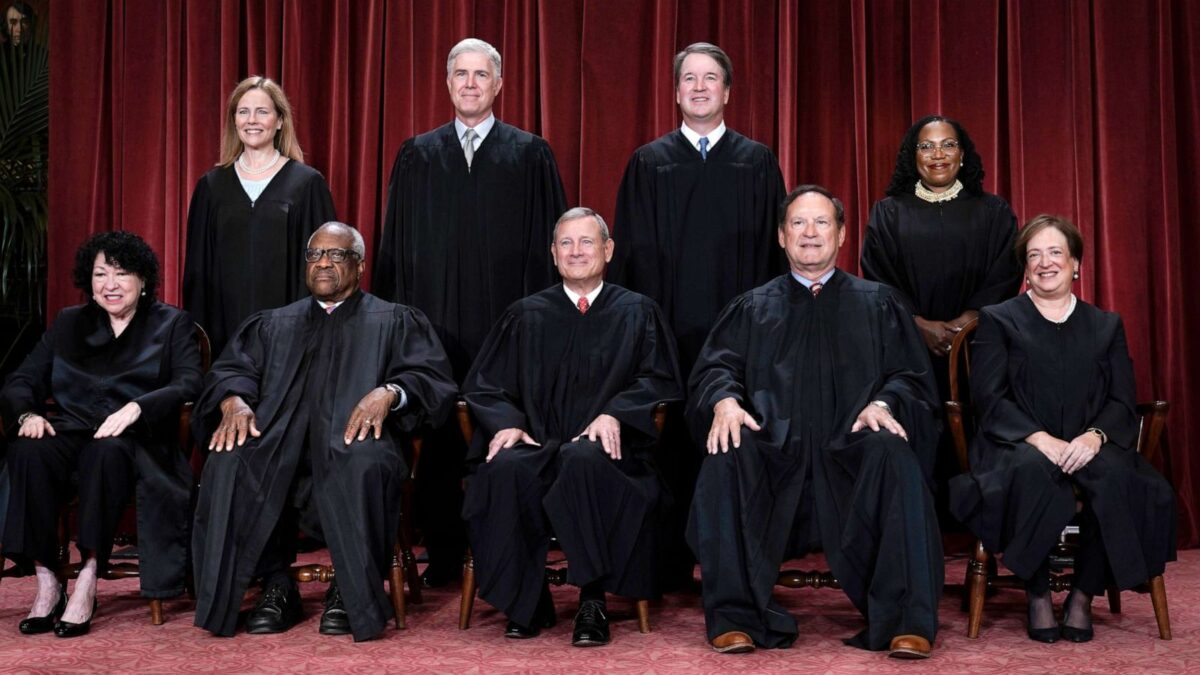

The Supreme Court on Tuesday declined to hear Florida’s lawsuit against California and Washington over their controversial practice of issuing commercial driver’s licenses to illegal immigrants, a decision that immediately sparked outrage from critics who say public safety is being sacrificed on the altar of progressive immigration politics.
The case stemmed from a horrifying crash in Florida last year involving Harjinder Singh, an Indian national who was reportedly in the country illegally and operating a commercial truck. Three people died in the collision, and Singh now faces multiple criminal charges, including vehicular homicide and immigration-related violations.
Florida Attorney General James Uthmeier argued that California and Washington violated federal law by allowing individuals without legal immigration status to obtain commercial driver’s licenses, enabling them to operate massive commercial vehicles across state lines. Florida filed the lawsuit directly with the Supreme Court under its original jurisdiction authority for disputes between states, a process rarely used and even more rarely accepted.
Unfortunately for Florida, the Court refused to take up the case without explanation.
Justice Clarence Thomas, joined by Justice Samuel Alito, sharply dissented from the Court’s decision. Thomas criticized the refusal to even hear Florida’s claims, writing, “This court declines to even hear Florida’s claims, even though it has nowhere else to bring them.”
That statement alone tells you plenty about the frustration surrounding this issue.
Florida argued that sanctuary-state policies and lax licensing standards created dangerous loopholes that put motorists nationwide at risk. The lawsuit claimed California and Washington were operating in “open defiance” of federal immigration laws while undermining federal safety regulations governing commercial trucking.
And honestly, this is not some abstract policy debate cooked up in a law school seminar. These are 80,000-pound commercial vehicles barreling down highways next to families driving minivans and pickup trucks.
The concerns intensified after reports surfaced that at least four Indian illegal immigrant truck drivers with commercial licenses have been arrested in connection with deadly crashes around the country. The list includes incidents in California, Florida, and Indiana that allegedly resulted in multiple fatalities.
Florida specifically argued that some drivers were obtaining licenses without sufficient training or even the ability to properly read road signs in English. That is the kind of detail that tends to make ordinary Americans grip the steering wheel a little tighter during their morning commute.
Naturally, Democratic officials dismissed the lawsuit as political theater. Washington Attorney General Nicholas Brown called it a “political stunt, not a real claim.” That response probably offers little comfort to the families burying loved ones after deadly highway crashes.
The case also intensified pressure on states with permissive licensing policies. Following the Florida tragedy, the Trump administration reportedly threatened to withhold federal funding from California, Washington, and New Mexico unless they adopted English-language requirements for commercial truck drivers.
Imagine how controversial it has become to suggest that someone operating a massive commercial truck on American highways should be able to read English road signs. Twenty years ago, that would have been considered common sense. In modern politics, it apparently qualifies as a radical position.
The Supreme Court’s refusal to hear the case does not settle the broader debate. If anything, it guarantees the fight over immigration enforcement, public safety, and commercial licensing standards is only going to intensify in the months ahead.

Leave a Comment